
Introduction
In today’s digital-first world, it’s easy to assume that online ads and social media posts are the only ways to reach new customers. But in local UK markets, a well-designed flyer can still make a huge difference. Flyers are tangible, trusted, and cost-effective — especially for small businesses trying to stand out in their communities.
Table Of Content
- Introduction
- Why Use Flyers for Local Marketing?
- 1. Flyers Build Local Trust
- 2. Flyers Are Cost-Effective and Flexible
- 3. Flyers Boost Local Presence
- Effective Flyer Design Principles
- Keep It Simple
- High-Quality Visuals
- Strong Branding
- Clear Call to Action (CTA)
- Content & Messaging
- Write a Compelling Headline
- Focus on Benefits, Not Features
- Keep It Short and Scannable
- Highlight Incentives
- Speak Directly to Your Audience
- Flyer Design Essentials
- Use of Readable Fonts
- Appropriate Flyer Size
- Quality Printing for Professionalism
- Targeting & Distribution
- Know Your Audience
- Timing Matters
- Partnerships and Collaborations
- Measuring Success
- Use Unique Promo Codes or QR Codes
- A/B Test Designs and Headlines
- Analyse Your Response Data
- Conclusion & Call-to-Action
Whether you’re promoting a café opening, a seasonal sale, or a new service, a well-crafted flyer can cut through digital noise and grab real attention. In this guide, we’ll explore 10 essential flyer design tips every UK small business should know to create professional, eye-catching flyers that drive results in 2025.
Why Use Flyers for Local Marketing?
In a time when everyone’s phone buzzes with digital ads, physical marketing materials like flyers offer something refreshingly personal. For small businesses across the UK, flyers remain one of the most affordable and effective ways to connect directly with local customers.
According to concept2print.co.uk, holding a printed flyer gives potential customers a sense of trust and legitimacy — something that’s hard to replicate online. People often view printed materials as more established and professional than a quick Facebook post or email ad.
1. Flyers Build Local Trust
Flyers help your brand feel real and reliable. When someone receives a flyer through their door or at a local event, it carries weight — literally and figuratively. It shows your business is active in the community and worth checking out.
2. Flyers Are Cost-Effective and Flexible
Unlike digital ads that charge per click or impression, flyers give you complete control over your budget. You can print hundreds or thousands at a low cost, test different designs, and target specific areas. It’s also easy to adapt flyers for different campaigns — from announcing a new store to promoting a discount weekend.
3. Flyers Boost Local Presence
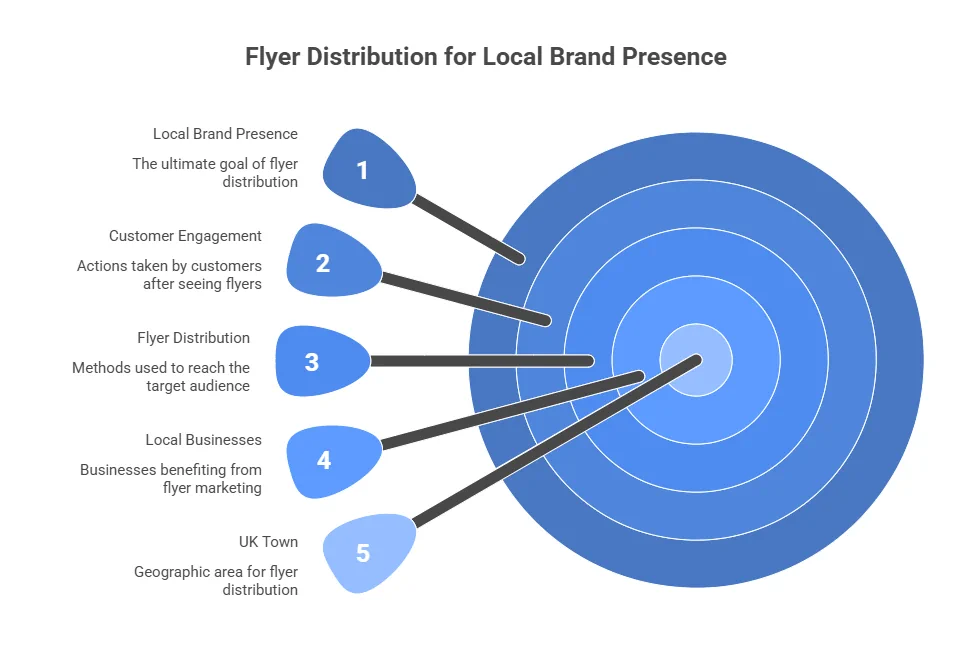
Flyers aren’t just about promotion; they also increase brand awareness. Distributing them in your town, neighbourhood, or at local markets ensures that your brand becomes a familiar name people recognise and trust. Even if someone doesn’t act right away, your message sticks with them.
Effective Flyer Design Principles
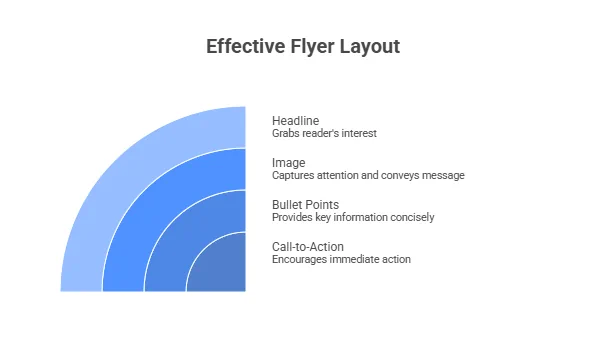
Creating an impactful flyer isn’t just about pretty visuals — it’s about communicating your message clearly and persuading your audience to take action. Here are four core design principles that every small business in the UK should follow to make flyers more effective and memorable.
Keep It Simple
The best flyers deliver one clear message. Too much information can overwhelm readers, so focus on a single offer, event, or goal.
Start with a bold headline that immediately tells people what’s in it for them — for example:
- “50% Off Coffee This Weekend!”
- “Grand Opening — Free Gift for First 50 Customers!”
Keep body text brief and break details into bullet points or short sentences for quick scanning. Simple design helps the reader absorb your message in seconds, which is all the time you often get.
High-Quality Visuals
A great image can communicate faster than any paragraph of text. Use professional photos and vibrant colours that match your brand personality. Avoid pixelated or generic stock images; they can make your flyer feel cheap.
Colour psychology also matters — bright yellows and reds grab attention, while blues and greens feel calm and trustworthy. According to concept2print.co.uk, high-quality print and imagery signal professionalism and trustworthiness, which helps potential customers take your business seriously.
Strong Branding
Your flyer should instantly feel like it came from your business. Use your logo, brand colours, and consistent fonts to reinforce recognition. Whether you’re a beauty salon in Manchester or a café in Bristol, the goal is for customers to see your flyer and think, “Oh, that’s from them!”
Consistency across all marketing — flyers, website, and social media — makes your brand appear established and cohesive.
Clear Call to Action (CTA)
Every flyer should guide the reader to do one thing next. That could be:
- Visit your shop or website
- Call or email for bookings
- Scan a QR code for a special discount
Make your CTA bold and visible, ideally placed at the bottom or centre of the flyer. Use active phrases like “Book Now,” “Claim Your Discount,” or “Visit Us Today.” Keep it short, direct, and benefit-driven.
Content & Messaging
Once your flyer looks good, the next step is crafting copy that connects. Design gets attention, but words drive action. Here’s how to write content that turns casual readers into paying customers.
Write a Compelling Headline
Your headline is the hook. It should instantly tell readers what’s being offered and why it matters. Avoid vague lines like “We’re the Best” — instead, make it specific and benefit-driven:
- “Transform Your Home with 20% Off Garden Upgrades”
- “Free Consultation for Small Business Accounting”
A strong headline grabs attention and sets the tone for the rest of your flyer.
Focus on Benefits, Not Features
Instead of just listing what you offer, explain how it helps the customer. For example:
- Instead of “We print high-quality menus,” say “Make your restaurant stand out with premium printed menus that wow your guests.”
This customer-first approach creates emotional connection and drives response.
Keep It Short and Scannable
Readers often glance at flyers for only a few seconds. Use short sentences, bullet lists, and subheadings to make information easy to digest. Bold key points like dates, offers, or contact details.
Highlight Incentives
People love a reason to act now. Add a sense of urgency or exclusivity:
- “Limited Time Offer”
- “Only This Weekend”
- “Free Gift for First 100 Customers”
These triggers create excitement and increase conversion rates.
Speak Directly to Your Audience
Use friendly, relatable language that matches your brand voice. Imagine you’re talking to your ideal customer face-to-face — how would you describe your offer? That’s the tone to use. A conversational, human touch helps build trust and authenticity.
Flyer Design Essentials
Even the most creative flyer idea can fall flat without the right design fundamentals. Details like font choice, paper quality, and size all affect how professional your flyer looks — and how likely people are to engage with it. Here’s how to get these essentials right.
Use of Readable Fonts
Fonts may seem minor, but they have a huge impact on readability and brand perception.
Choose simple, legible fonts that look clean in print — popular choices include Helvetica, Montserrat, or Open Sans.
Here are a few quick tips:
- Limit to two or three fonts max — one for headings, one for body text, and maybe one accent font.
- Ensure font size contrasts are clear (e.g., 18–24pt for headings, 10–12pt for body text).
- Avoid over-stylised or script fonts that may be hard to read from a distance.
Your goal is to help the message stand out instantly — especially when people glance at your flyer on a busy café board or community notice wall.
Appropriate Flyer Size
Flyers come in all shapes and sizes, but not every format works for every campaign. The two most popular in the UK are:
- A6 flyers – Compact, affordable, and ideal for door drops or handouts.
- A5 flyers – Larger and more eye-catching; perfect for highlighting offers or events.
Choose your size based on your budget, content volume, and distribution plan. For example, if you’re promoting a local gym’s opening, A5 offers more room for visuals and class details. If it’s a café loyalty offer, A6 might be all you need.
A well-sized flyer is easy to hold, fits in pockets or bags, and doesn’t feel cluttered.
Quality Printing for Professionalism
Your flyer’s touch and finish influence how people perceive your brand. Thin, flimsy paper can make even a great design feel cheap. On the other hand, a high-quality print instantly communicates reliability and care.
According to concept2print.co.uk, premium paper and finishes like matte, gloss, or silk coating increase customer confidence and improve retention.
If your budget allows, consider:
- Thicker stock (150–300gsm) for durability and premium feel.
- Spot UV or foil finishes for a professional look.
- Double-sided printing to use every inch effectively.
These finishing touches can make the difference between someone keeping your flyer or binning it.
Targeting & Distribution
Even the most beautifully designed flyer won’t work if it doesn’t reach the right audience. The success of any flyer campaign depends on who sees it, when they see it, and how often. Here’s how UK small businesses can distribute their flyers effectively.
Know Your Audience
The first step is understanding where your potential customers spend their time. For example:
- A gym or fitness centre might target flyers at local offices, cafés, or bus stops.
- A new restaurant might leave flyers in nearby hotels, community boards, or takeaway bags.
- Home service providers could focus on residential areas with door-to-door drops.
Think local — your flyers work best when they appear in places your target audience naturally visits.
It’s also wise to segment audiences by age, interests, or location. The more specific your targeting, the higher your response rate.
Timing Matters
Launching your flyer campaign at the right time can dramatically improve results. Align your distribution with seasons, events, or local occasions.
For example:
- Promote retail offers before Christmas or the summer holidays.
- Share fitness flyers in January, when health goals peak.
- Distribute restaurant promotions ahead of local festivals or weekend events.
Consistency also matters — instead of a one-off drop, plan monthly or quarterly distributions to keep your brand visible all year.
Partnerships and Collaborations
One of the smartest, low-cost ways to reach new audiences is to partner with nearby businesses. You can:
- Share printing and distribution costs.
- Exchange flyers to display in each other’s shops.
- Team up for special promotions (e.g., “Buy coffee here, get 10% off next door”).
This strategy strengthens community ties while multiplying exposure for both businesses.
Measuring Success
Designing and distributing flyers is only half the job — to know whether your campaign is truly effective, you need to measure results. Tracking how people respond helps you improve future flyers, target better, and get the most from your marketing spend.
Here’s how to do it efficiently and affordably as a UK small business:
Use Unique Promo Codes or QR Codes
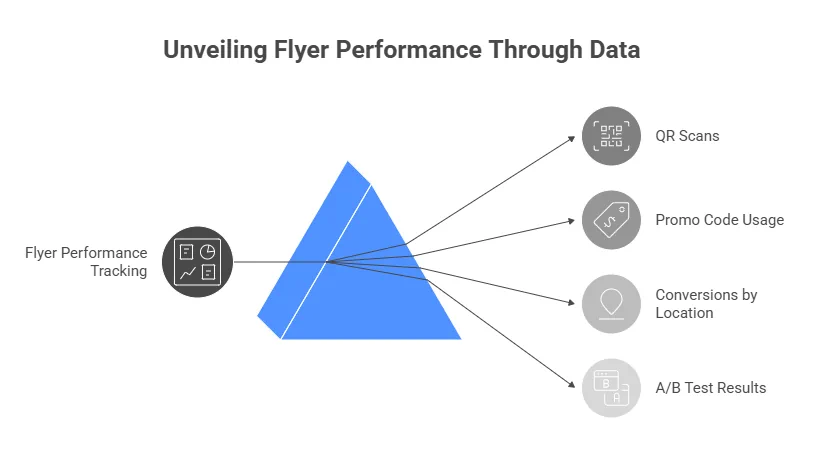
Include a unique promo code or QR code on your flyer that links directly to a landing page, booking form, or discount offer.
This allows you to see exactly how many customers responded to that specific flyer batch.
For example:
- A hair salon could print “Show this flyer for 10% off your first visit – Code: CUT10.”
- A restaurant could use a QR code leading to an online booking page with “FLYER25” for a discount.
This not only helps you track conversions but also makes the customer’s journey smoother and more measurable.
A/B Test Designs and Headlines
Just like digital ads, flyer campaigns can benefit from A/B testing.
You can print two small batches of flyers with slight variations — different colours, layouts, or headlines — and track which version performs better.
For instance:
- Version A might have a bold red headline and a discount offer.
- Version B might use a softer blue design with a free trial call-to-action.
Distribute them in separate areas, then compare which version drives more responses or visits. This simple test can reveal what resonates most with your audience.
Analyse Your Response Data
After your campaign, review key insights:
- How many calls, visits, or online sign-ups came from the flyer?
- Which locations or timings gave the best results?
- What offers got the most attention?
By collecting this data, you can refine future campaigns — focusing on the best-performing designs, locations, and audiences. Over time, this builds a powerful understanding of what works best for your business.
Conclusion & Call-to-Action
In a world filled with digital noise, flyers remain a trusted, tangible way for UK small businesses to connect with local customers. When designed well, they don’t just advertise — they build recognition, credibility, and community presence.
By following the 10 essential flyer design tips — from keeping your message simple and using high-quality visuals to strategic distribution and smart tracking — you’ll create flyers that truly capture attention and drive real results.
Whether you’re launching a local promotion, celebrating a grand opening, or building brand awareness, remember:
- Clarity beats clutter.
- Professional design builds trust.
- Strategic distribution maximises impact.
If you’re ready to elevate your flyer campaigns, DataXpie can help. Our team specialises in professional flyer and leaflet design for UK small businesses, combining design expertise with proven marketing strategy. We’ll help you craft flyers that not only look great — but convert attention into customers.
👉 Get in touch with DataXpie today to start your next successful flyer campaign!