
Introduction
In today’s competitive UK market, small businesses face a tough challenge — standing out from countless competitors offering similar products and services. Many owners pour effort into marketing but struggle to create a brand that feels truly recognisable or trustworthy. The missing piece? A clear, consistent brand identity that captures who you are and what you stand for.
Table Of Content
Your brand identity is more than just a logo or a colour scheme — it’s the personality and promise behind your business. When done right, it helps customers instantly recognise your brand, remember you for the right reasons, and choose you over bigger competitors. In this guide, we’ll explore five essential steps to building a strong brand identity that helps your small business thrive in 2025 and beyond.
What is Brand Identity and Why It Matters
Brand identity is the collection of elements that represent your business in the eyes of your audience — your logo, colours, tone of voice, values, and even the feeling your business gives people. It’s how your business shows up in the world and what customers remember when they think of you.
For small businesses, a strong brand identity acts like a silent salesperson — consistently promoting your values, building trust, and setting you apart from competitors. It’s the reason customers choose your café over another, or recognise your handmade products instantly online.
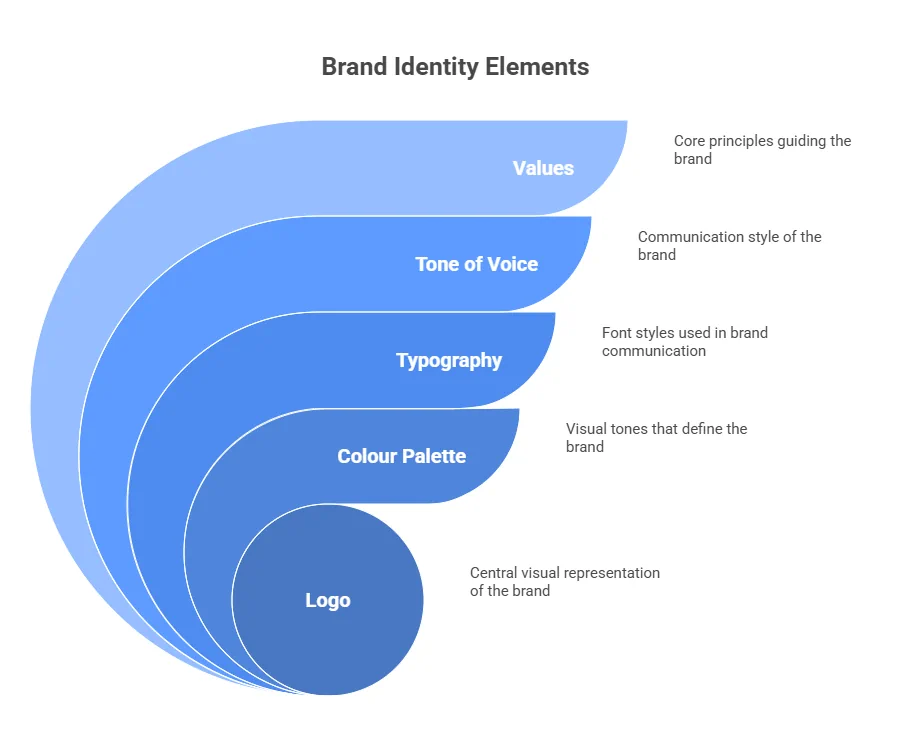
A well-defined brand identity also saves time and money. When you have clear visuals, messaging, and tone, your marketing becomes more consistent, efficient, and effective. Every new flyer, post, or ad aligns with your core message — creating recognition and reducing the need for constant redesigns or guesswork.
In the UK, where small and micro businesses make up over 99% of all companies, clear branding isn’t just a nice-to-have — it’s a key competitive edge. People buy from brands they recognise and trust, and consistency builds both. Whether you’re a solo entrepreneur or a growing team, investing in your brand identity is one of the smartest long-term moves you can make.
5 Essentials for Building a Strong Brand Identity in 2025
A powerful brand identity doesn’t happen by chance — it’s carefully crafted through deliberate choices about how your business looks, sounds, and feels. Here are five key steps every UK small business should focus on to build a memorable, trustworthy identity in 2025.
1. Define Your Core Brand Identity
Every strong brand begins with a clear sense of purpose. Before you choose colours or design a logo, you need to know what your business stands for. This means defining your mission, vision, and values — the “why” behind everything you do.
Think of your purpose as the emotional anchor that drives your business decisions. It should go beyond profits and reflect genuine value for your audience. For example, a bakery’s purpose might not just be “to sell cakes,” but “to make every celebration more special through handcrafted, locally sourced treats.”
Your purpose and values become the compass for your branding — guiding how you design, communicate, and connect with customers. The clearer your foundation, the more authentic and appealing your brand will feel to your UK audience.
2. Know Your Audience Deeply
Understanding your audience is the secret to building a brand that resonates. The most successful UK small businesses know who their customers are, what they value, and how they want to be spoken to.
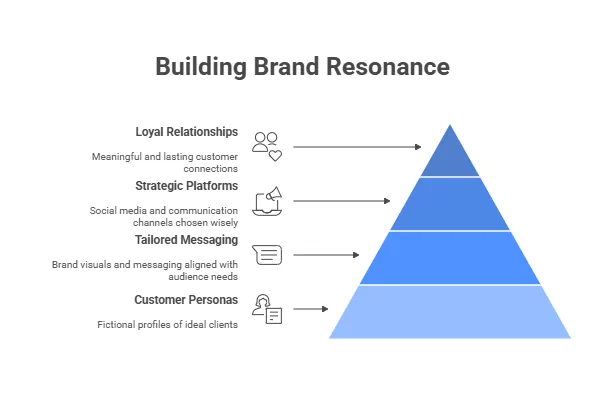
Start by developing customer personas — fictional profiles that represent your ideal clients. Include details such as age, lifestyle, challenges, and motivations. For example, a home décor brand might target “Sophie, 32, a first-time homeowner who values sustainability and affordable style.”
By understanding your audience on this level, you can tailor your brand’s visuals and messaging to speak directly to their needs. It also helps you decide which social media platforms to focus on, what tone of voice to use, and how to craft campaigns that truly connect.
The deeper your audience insight, the more meaningful and loyal your customer relationships become.
4. Develop Consistent Brand Guidelines
Even the best logos and colours lose their impact without consistency. That’s where brand guidelines come in. Think of them as your brand’s rulebook — a reference document that ensures everyone (including designers, marketers, or social media managers) stays aligned.
A simple brand guide for a small business should cover:
- Logo usage: correct placement, spacing, and background rules.
- Colour codes: RGB and CMYK values for digital and print consistency.
- Typography: headline and body fonts for a uniform look.
- Tone of voice: examples of how your brand should sound in writing.
- Imagery style: guidelines for photos, icons, and illustrations.
Even a one-page guide is better than none. It saves time, prevents off-brand visuals, and ensures your small business appears professional and trustworthy everywhere it’s seen — from business cards to Instagram.
5. Craft a Unique and Authentic Brand Voice
Your brand voice is how you speak to your audience — it gives your business character. A well-defined tone helps your messages feel personal and consistent across every channel, from website copy to email newsletters.
Start by identifying your voice style:
- Friendly and conversational (great for local service businesses or lifestyle brands)
- Expert and trustworthy (ideal for professional services or tech)
- Playful and witty (works well for creative or youth-focused businesses)
Whichever you choose, keep it authentic and aligned with your values. Consistency is key: your tone on social media should match your emails and website content. When customers recognise your “voice,” it strengthens familiarity and builds a sense of relationship.
Remember, your brand’s voice isn’t static. Review it occasionally to make sure it still reflects your audience’s preferences and your business’s growth.
Additional Tips for UK Small Businesses in 2025
Even after building the foundations, maintaining a strong brand identity requires ongoing care. Here are a few bonus tips tailored for UK entrepreneurs navigating 2025’s market trends.
Embed Sustainability in Brand Values
Modern UK consumers are increasingly eco-conscious. They prefer to buy from brands that act responsibly and show genuine commitment to sustainability. If your business embraces ethical sourcing, recyclable packaging, or carbon-neutral practices, make it part of your brand story.
Highlight your efforts visually and verbally — through green-toned design accents, eco-friendly packaging, or storytelling about your suppliers. When sustainability becomes a genuine part of your brand identity, it builds trust and emotional connection with customers who share those values.
Leverage Digital Platforms
Your digital presence is where your brand identity truly lives and breathes. Ensure consistency across your website, social media, and email marketing. The same logo, colour scheme, and tone should appear everywhere a customer interacts with you.
To maximise reach:
- Keep your social media visuals on-brand using templates.
- Maintain a unified tone across captions and blog posts.
- Optimise your website for mobile to deliver a smooth, modern experience.
- Encourage user-generated content — real customers sharing photos or stories creates authentic, relatable branding.
Omnichannel consistency builds recognition and reinforces professionalism — key advantages in a crowded online space.
Regularly Review and Refresh Your Brand
A strong brand isn’t static — it grows with your business. Every 6–12 months, review your branding to make sure it still reflects your goals, values, and customer expectations.
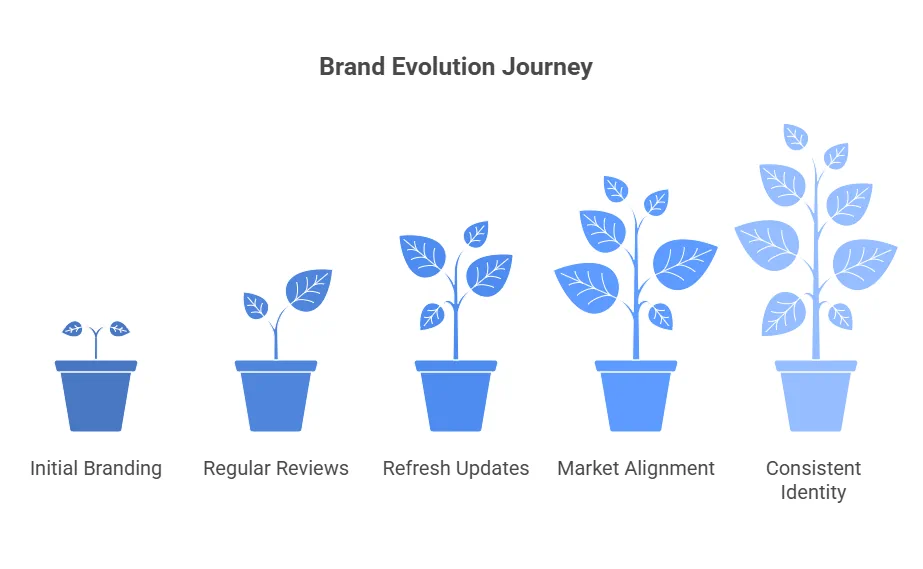
You don’t need a full rebrand each time; sometimes small updates — like refining your logo spacing or modernising your typography — can keep your brand feeling fresh. Regular reviews also help you stay aligned with market trends, such as minimalism and human-centred visuals, which continue to dominate UK branding in 2025.
Common Branding Mistakes to Avoid
Even with the best intentions, many small businesses unintentionally weaken their brand identity by overlooking a few key details. Avoiding these pitfalls will help your brand look more professional, trustworthy, and cohesive — no matter your size or budget.
1. Inconsistency Across Channels
One of the most common mistakes is using inconsistent logos, colours, or messaging across different platforms. If your website, Facebook page, and printed materials all look slightly different, customers may feel unsure whether they’re dealing with the same brand. Consistency creates familiarity — and familiarity builds trust.
2. Copying Competitors
It can be tempting to imitate successful brands in your industry, especially when starting out. But copying someone else’s style only makes you blend in. Instead, focus on what makes your business unique — your story, your local roots, your customer experience. Authenticity is far more memorable than mimicry.
3. Ignoring Your Target Audience
Your brand identity should be shaped around your audience’s needs, not just your personal preferences. Bright colours or quirky fonts might look fun, but if your target market prefers a more refined style, your brand could send the wrong message. Always design and write with your customer in mind.
4. Neglecting UK Cultural Nuances
If you’re marketing within the UK, small cultural touches can make a big difference. British humour, tone, and visual preferences often differ from global branding trends. A simple understanding of your local audience — whether in London, Manchester, or Cardiff — ensures your brand feels relatable and relevant.
5. Overcomplicating Your Branding
Adding too many colours, design elements, or taglines can confuse rather than impress. Simplicity often communicates confidence. A clean logo, clear message, and consistent tone are easier for customers to remember — and easier for you to manage long-term.
Conclusion: Build a Brand that Stands the Test of Time
Building a strong brand identity isn’t about flashy design or expensive marketing — it’s about clarity, consistency, and connection. When your visuals, tone, and values align, your small business becomes instantly recognisable and deeply trusted.
In the UK’s fast-moving 2025 marketplace, businesses that invest in brand identity are the ones that stay top of mind. A clear purpose, cohesive visuals, and a genuine voice will help you build loyalty that lasts far beyond a single sale.
Whether you’re just starting out or refining an existing brand, remember: every post, email, and piece of packaging is a chance to reinforce your identity.
If you’d like expert help creating a consistent, professional brand identity for your business, consider booking a Brand Identity Workshop with DataXpie. Our team can guide you through logo design, colour strategy, and brand guidelines — ensuring your business looks, feels, and communicates exactly the way it should.