

Introduction
Running a small business in the UK can feel like spinning several plates at once — customer service, admin, marketing, accounting, and a never-ending to-do list. For many entrepreneurs, there simply aren’t enough hours in the day. That’s where hiring a virtual assistant (VA) can make all the difference.
Table Of Content
- Introduction
- What is a Virtual Assistant (VA)?
- Top Benefits of Hiring Virtual Assistants for UK Small Businesses
- Common Tasks to Outsource to a Virtual Assistant
- How to Hire the Right Virtual Assistant in the UK
- Managing Your Virtual Assistant Effectively
- UK-Specific VA Services and Resources
- Conclusion: Save Time, Cut Costs, and Grow with the Right VA
Virtual assistants offer a flexible, affordable way to get expert help without the cost or commitment of hiring full-time employees. From handling admin and social media to managing emails or bookkeeping, a VA can help you reclaim your time and focus on growing your business instead of getting stuck in the day-to-day.
In this article, we’ll explore exactly what a virtual assistant is, why UK small businesses are increasingly turning to them, what tasks you can outsource, and how to find and manage the right VA for your team.
What is a Virtual Assistant (VA)?
A Virtual Assistant (VA) is a remote professional who provides administrative, technical, or creative support to businesses — typically from their own home office or co-working space. Instead of hiring an in-house admin or office manager, UK small business owners can outsource these tasks to a VA who works flexibly and on demand.
VAs use common digital tools such as email, project management software, and video conferencing platforms to stay connected with your business, no matter where they are based. Many also specialise in certain industries or services — from eCommerce support and social media scheduling to bookkeeping and CRM management.
Unlike traditional employees, virtual assistants are usually self-employed or contracted through an agency. This means you only pay for the hours or tasks you actually need, with no costs for holiday pay, pensions, or office equipment. For small businesses and startups, this “pay-as-you-go” model provides both flexibility and financial control.
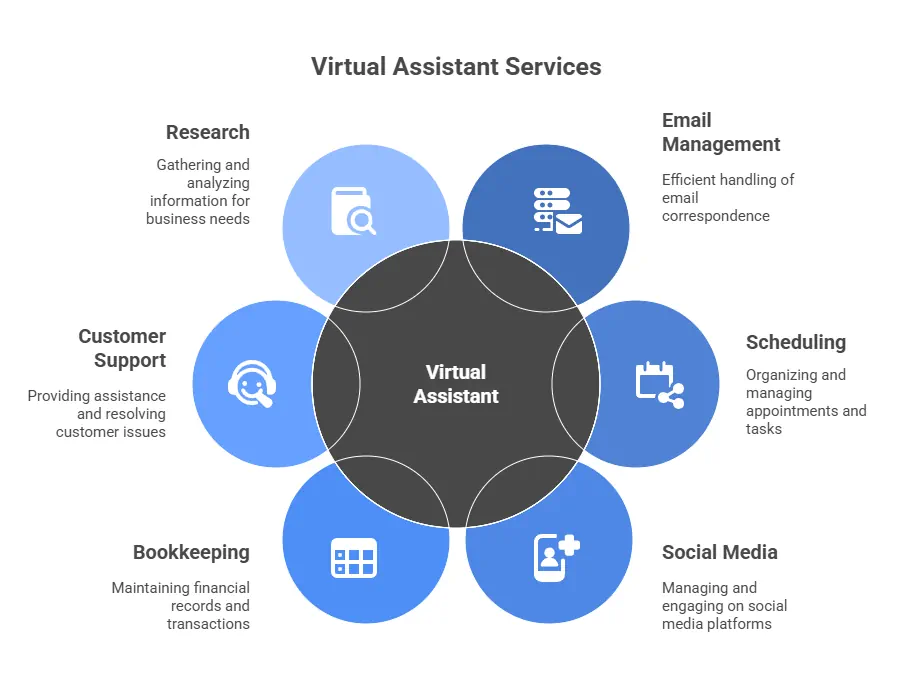
Here’s a quick snapshot of what VAs typically handle:
- Email and diary management
- Travel bookings and expense tracking
- Data entry and report preparation
- Customer service responses
- Content scheduling and social media posts
- Light bookkeeping and invoicing support
Whether you need a few hours a week of admin support or ongoing help with daily operations, a VA can act as a trusted extension of your team, without the overheads that come with traditional hires.
Top Benefits of Hiring Virtual Assistants for UK Small Businesses
Hiring a virtual assistant isn’t just about getting help — it’s about transforming how you run your business. Whether you’re a startup founder juggling too many tasks or a small team struggling to keep up with admin, the right VA can unlock real efficiency and growth. Here are the key benefits that UK small business owners are seeing right now.
1. Cost Efficiency
Let’s face it — employing full-time staff in the UK can be expensive. Between salaries, National Insurance, pensions, equipment, and workspace, the costs quickly add up.
A virtual assistant is a far more affordable option. Many VAs work as independent contractors, so you only pay for the hours you need — whether that’s 5 hours a week or 20. You don’t have to cover benefits, office rent, or training costs.
According to Wise.com (2024), businesses can save up to 60% compared with hiring a full-time employee. That’s money you can reinvest into marketing, technology, or product development instead.
In short: hiring a VA gives you access to professional support without the financial burden of expanding your payroll.
2. Flexibility and Scalability
Business needs can fluctuate — especially for small firms and startups. During busy periods, you might need extra admin help, but when things quieten down, you don’t want to be tied to a fixed salary.
A VA provides flexible, scalable support. You can easily increase or reduce their hours based on workload. For example, an eCommerce business may need daily support during the Christmas rush but only weekly help in spring.
This adaptability makes VAs ideal for businesses with seasonal trends, project-based work, or unpredictable demand.
3. Access to Specialised Skills
Many UK VAs bring a wealth of experience in areas that small business owners might not have in-house — like CRM management, social media strategy, customer service, or digital marketing.
By hiring a VA, you gain on-demand access to these skills without hiring multiple employees or expensive consultants. Agencies such as DataXpie even match businesses with assistants who specialise in certain tools or industries, saving you the hassle of searching and training.
Whether you need someone who understands HubSpot, Canva, or QuickBooks, there’s a VA out there who can hit the ground running.
4. Productivity Boost
When you’re freed from day-to-day admin, you gain more hours to focus on what really matters — strategy, clients, and growth.
Delegating repetitive tasks to a VA helps streamline your operations and reduce burnout. It also ensures important work doesn’t fall through the cracks when you’re busy.
You’ll not only feel more organised, but your business will benefit from faster turnaround times and a better customer experience overall.
Common Tasks to Outsource to a Virtual Assistant
One of the biggest advantages of hiring a virtual assistant in the UK is just how many time-consuming tasks you can safely delegate. Think about everything that clutters your day — emails, reports, scheduling, or chasing invoices. If it can be done remotely, a VA can probably handle it.
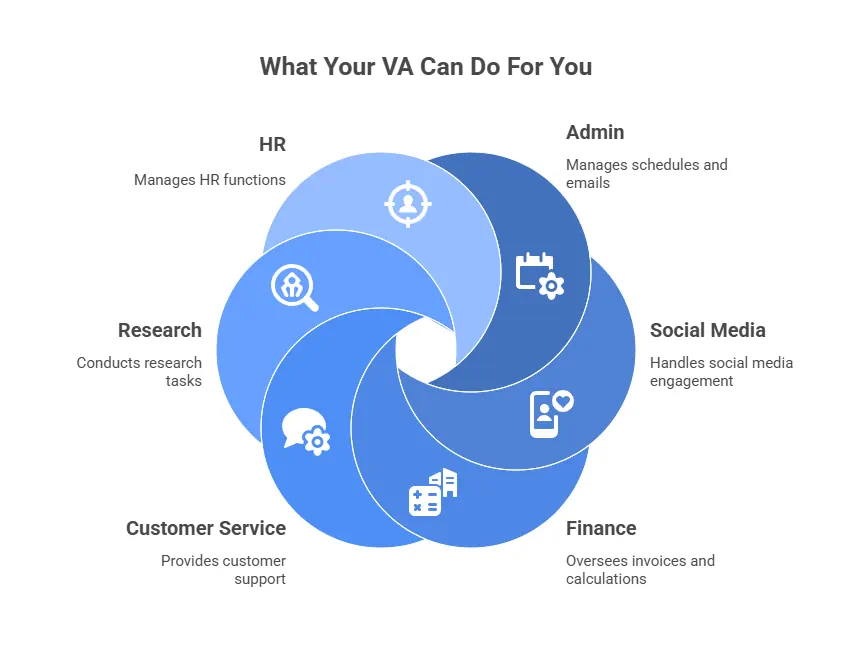
Here are some of the most common (and valuable) tasks to outsource:
1. Administrative Support
VAs excel at keeping your business organised. They can manage your calendar, schedule meetings, handle travel arrangements, and keep your inbox under control.
This ensures you never miss appointments, and your workflow stays smooth — even when you’re juggling multiple priorities.
2. Social Media Management
A VA can plan, schedule, and post social media content for platforms like LinkedIn, Instagram, or Facebook. They can also respond to comments and messages, keeping your brand visible and engaged with customers.
Consistent posting helps small businesses build credibility online — without you having to spend hours scrolling through notifications.
3. Basic Bookkeeping and Financial Admin
If numbers aren’t your favourite task, your VA can help with invoicing, expense tracking, or data entry into accounting software like Xero or QuickBooks.
Having someone to handle this routine work means your finances stay up to date — and your accountant will thank you at tax time!
4. Customer Service Support
VAs can help manage customer enquiries via email or chat, ensuring your clients always receive timely and professional responses.
They can also track common issues and help you improve your service delivery — a huge plus for growing businesses that value reputation.
5. Research and Data Management
Need to find suppliers, competitors, or new market opportunities? Your VA can conduct online research and compile clear reports, freeing you from endless Google searches.
6. HR and Recruitment Assistance
Some virtual assistants specialise in HR admin — posting job adverts, shortlisting candidates, or organising compliance paperwork.
It’s ideal for small firms without an internal HR department but still needing professional hiring support.
By outsourcing these routine tasks, you can focus on strategy, growth, and innovation — the things that move your business forward.
How to Hire the Right Virtual Assistant in the UK
Hiring a virtual assistant (VA) is one of the most rewarding decisions you can make for your business — but only if you find the right fit. The process doesn’t have to be complicated; you just need a clear plan. Below are some simple steps to help UK entrepreneurs hire confidently and avoid common pitfalls.
1. Define Your Needs Clearly
Before you start searching, get specific about what kind of help you actually need. Make a list of the tasks you’d like to outsource — whether it’s admin, social media, or bookkeeping — and decide how many hours a week you expect to require.
This clarity makes it easier to find a VA whose skills match your goals. For example:
- If your inbox is overwhelming, you need an administrative VA.
- If you want consistent online presence, look for a social media VA.
- If you need smoother finances, a bookkeeping VA is ideal.
Setting expectations early ensures both sides are aligned from day one.
2. Where to Find a UK VA
There are several reliable ways to hire virtual assistants in the UK — each with its pros and cons.
- Freelance Platforms: Sites like Upwork, PeoplePerHour, or Fiverr let you browse VA profiles, read reviews, and hire directly. Great for project-based or short-term tasks.
- VA Agencies: Companies like DataXpie provide fully vetted, UK-based assistants who are insured, trained, and matched to your needs. It’s ideal if you want a managed service or ongoing support.
- Referrals and Networks: Ask peers, LinkedIn contacts, or local business groups for recommendations. Word-of-mouth often leads to trustworthy, high-quality hires.
The advantage of working with UK-based virtual assistant services is clear: they operate in your time zone, understand local business culture, and are fluent in UK English — all of which help communication flow smoothly.
3. Vetting and Interviewing Candidates
Don’t skip the vetting stage. A quick chat or small trial task can reveal a lot about a VA’s professionalism and communication style.
Here’s what to check:
- Experience: Do they have relevant background (e.g., small business admin, social media, or finance)?
- References and Reviews: Look for testimonials or client ratings.
- Technical Skills: Ask what tools they use (e.g., Slack, Trello, Xero).
- Communication: Ensure they write and speak clear, confident English.
Remember, a VA isn’t just a task doer — they’re a long-term partner in your productivity.
4. Trial and Onboarding
Start small. Hire your VA for a short-term trial period — perhaps 5–10 hours over two weeks. This gives you both time to test the working relationship.
Once you’re comfortable, gradually increase their responsibilities. Create Standard Operating Procedures (SOPs) or clear written instructions for each recurring task.
Use tools like Google Drive or Notion to store these documents for easy access. The clearer your guidance, the faster your VA can deliver consistent, high-quality work.
Managing Your Virtual Assistant Effectively
Once you’ve found your ideal VA, managing them well is the key to long-term success. Even though they work remotely, they should feel like part of your team. Good management ensures tasks stay on track, communication remains clear, and your business reaps the full benefits of outsourcing.
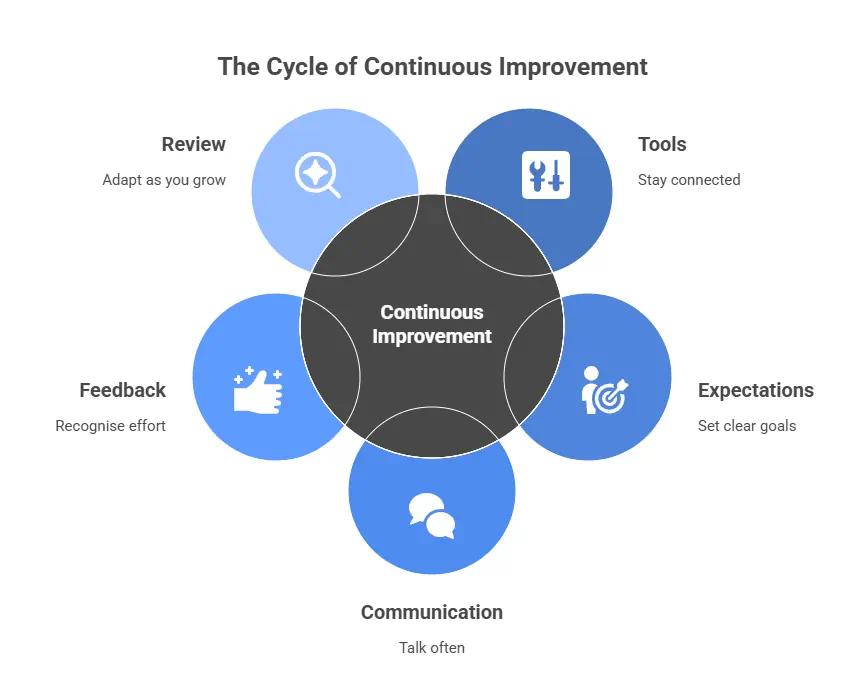
1. Use the Right Tools
Technology is your best friend when managing a remote assistant.
Here are some tools that UK small businesses love:
- Slack – for real-time messaging and quick check-ins.
- Trello or Asana – to track tasks and deadlines visually.
- Google Workspace or Microsoft 365 – for shared files, calendars, and collaboration.
- Zoom or Google Meet – for video calls or weekly updates.
These tools keep everyone connected, organised, and accountable.
2. Set Clear Expectations
At the beginning of your working relationship, outline what “success” looks like. Share:
- Deadlines and turnaround times
- Preferred working hours (especially if you work across time zones)
- How you’d like updates (daily summary, weekly report, or chat updates)
When expectations are transparent, misunderstandings disappear — and productivity soars.
3. Communicate Regularly
Don’t let remote work create distance. Schedule a short weekly check-in to review progress, discuss challenges, and share feedback.
You can use video calls or even quick voice notes on Slack — whatever feels easiest.
Remember: clear communication builds trust. Treat your VA as part of the team, not just an external helper. That mindset encourages loyalty and initiative.
4. Provide Feedback and Recognition
Just like any team member, virtual assistants thrive when they know their work is valued. Offer constructive feedback when something can be improved — and genuine appreciation when they’ve done a great job.
A simple “thank you” message or positive testimonial can go a long way toward building a long-term, motivated partnership.
5. Review Performance and Adjust as You Grow
As your business evolves, so will your needs. Schedule quarterly or biannual reviews to discuss new goals or changing priorities.
You might decide to add new tasks (like CRM updates or social media analytics) or increase hours during peak periods. The flexibility of virtual assistants makes these adjustments simple and stress-free.
UK-Specific VA Services and Resources
The virtual assistant landscape in the UK has grown rapidly in recent years. With more small businesses embracing flexible work and digital tools, professional VA services are now easier to find — and more reliable — than ever before.
Whether you prefer to work with a freelancer or a dedicated VA agency, there’s an option to fit every business size, budget, and workload.
1. UK-Based VA Agencies
Partnering with a UK-based VA agency offers several advantages. Agencies typically pre-vet, train, and insure their assistants, providing an extra layer of professionalism and peace of mind.
For instance, DataXpie specialises in helping UK small businesses find the perfect virtual assistant match — offering flexible support across admin, social media, finance, and customer service.
When you work with an agency like DataXpie, you benefit from:
- Reliable continuity: If your VA is unavailable, a backup is always ready.
- Quality assurance: All VAs are screened for skills, confidentiality, and performance.
- Custom matching: You get paired with an assistant whose skills align with your exact business needs.
This model is ideal for entrepreneurs who value transparency, security, and managed support, rather than juggling freelancers independently.
2. Freelance Marketplaces
If you prefer to hire directly, platforms like Upwork, PeoplePerHour, or Freelancer.co.uk host thousands of UK-based VAs with diverse skills.
These platforms allow you to:
- Filter by hourly rate, experience, and feedback.
- View portfolios and client reviews before hiring.
- Post project-based or ongoing roles.
However, when using freelance marketplaces, you’ll be responsible for vetting, onboarding, and managing your VA yourself. It’s a great choice for those comfortable with hands-on hiring.
3. Professional Networks and VA Communities
LinkedIn, Facebook groups, and small business forums (such as UK Business Forums or Enterprise Nation) are also valuable for finding independent, trusted virtual assistants.
Many successful entrepreneurs find their long-term VA through recommendations from peers — proof that word-of-mouth remains a powerful hiring tool.
4. UK Legal and Data Protection Considerations
When hiring a virtual assistant in the UK, make sure they understand GDPR compliance and data confidentiality. Reputable agencies like DataXpie include NDAs and compliance measures in their service agreements, ensuring your customer and business data stays protected.
This is especially important for sectors like finance, healthcare, or eCommerce, where data handling is sensitive.
Conclusion: Save Time, Cut Costs, and Grow with the Right VA
Running a small business in the UK doesn’t have to mean doing everything yourself. Hiring a virtual assistant allows you to delegate time-consuming tasks, access specialist skills, and stay focused on what truly drives your business forward.
From managing inboxes and social media to handling invoices and research, a skilled VA can transform the way you work — saving both time and money while giving you the flexibility to grow.
The benefits are clear:
- Lower costs than full-time staff
- Scalable support as your business evolves
- Access to professional expertise on demand
- Improved productivity and work–life balance
If you’re ready to experience these advantages, it’s time to explore trusted virtual assistant UK services.
DataXpie offers a simple, transparent way for UK small businesses to find the right virtual assistant, with flexible packages designed around your goals. Whether you need admin help, marketing support, or customer service expertise, DataXpie’s team ensures you get a reliable, professional assistant — without the hassle of recruitment or training.
✨ Ready to free up your time and focus on growth?
Visit DataXpie.com to discover affordable outsourced assistant services tailored for UK small businesses.