

Introduction
For small business owners across the UK, packaging is no longer just about wrapping a product — it’s a statement of values. Customers are looking beyond what’s inside the box to how it’s presented, demanding eco-friendly solutions that align with their beliefs. In 2025, packaging design isn’t just a creative decision; it’s a strategic business choice that can define your brand’s credibility and customer loyalty.
Table Of Content
- Introduction
- Why Packaging Design Matters for UK Brands
- 2025 Packaging Trends
- Beyond Aesthetics — Digital & Interactive Packaging
- Sustainable Materials & Design
- Effective Branding Through Packaging
- Legal & Practical Considerations
- Designing for Social Media
- Technology & AI in Packaging Design
- Work with Professional Designers
- Conclusion & Call-to-Action
Sustainability has become a deciding factor for UK consumers, and small businesses now face the challenge of balancing environmental responsibility with budget and brand impact. Add in the evolving Extended Producer Responsibility (EPR) rules and the plastic packaging tax, and it’s clear: adapting to sustainable design is not optional — it’s essential for survival and growth.
But the good news? With smart choices, creative design, and the right expertise, eco-friendly packaging can become a powerful marketing tool that enhances both your reputation and your bottom line.
Why Packaging Design Matters for UK Brands
The first thing your customer touches, sees, and feels is your packaging — and in many cases, it’s what drives them to buy again. For small UK brands competing in crowded markets, great packaging is your silent salesperson. It conveys trust, quality, and purpose before the customer even opens the product.
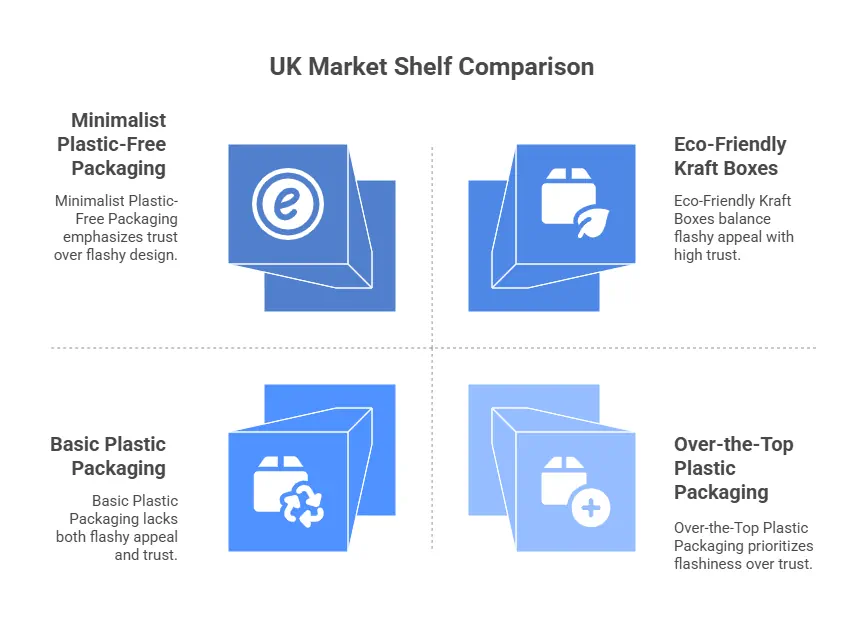
In the UK, 78% of shoppers now say sustainable packaging influences their buying decisions, according to industry reports. That means your design isn’t just a cost — it’s a communication tool that signals what kind of brand you are. Sustainable packaging tells buyers you care about the planet and the people behind your product.
Packaging as the Face of Brand Identity
Think of packaging as the outfit your brand wears every day. It tells your story in colours, textures, and typography. Whether you run a skincare startup in Manchester or a coffee brand in Bristol, your packaging sets expectations and builds instant emotional connection.
Reddit discussions among UK small business owners reveal that most customers equate eco-conscious packaging with professionalism and authenticity. Even a simple kraft paper box with clear branding can feel more premium than glossy plastic — because it communicates ethics and care.
The Growing Power of Sustainability in UK Branding
Sustainability isn’t just a buzzword anymore; it’s a business driver. Many UK consumers are now sceptical of greenwashing, expecting real proof of eco-commitment. Using recyclable or biodegradable materials, avoiding unnecessary plastics, and adding clear recycling instructions are simple but powerful ways to earn trust.
Forward-thinking companies are also discovering that sustainable packaging enhances brand storytelling. For example, sharing a short message inside your box about your eco-friendly sourcing or manufacturing practices builds transparency — something customers deeply value.
Balancing Aesthetics and Responsibility
The challenge for small businesses lies in merging eco values with a premium look. This is where smart design makes all the difference. Minimalist layouts, natural textures, and muted or earthy tones can look beautiful while remaining affordable and eco-responsible.
According to small business forums, brands are increasingly experimenting with recycled kraft paper, simple typography, and low-ink printing — achieving elegance without excess. As one Redditor put it, “Customers can tell when a business has thought about its packaging; it feels intentional.”
2025 Packaging Trends
The packaging industry in the UK is undergoing a quiet revolution. Sustainability remains at its heart, but the focus has expanded — combining eco-consciousness with innovation, technology, and customer experience. For small business owners, staying ahead of these shifts in 2025 can mean the difference between being a brand that blends in and one that stands out.
Minimalism & Material Reduction
In 2025, less is more defines the design landscape. According to GWP Packaging experts, both brands and regulators are pushing for reducing packaging size, weight, and complexity to comply with the UK’s Extended Producer Responsibility (EPR) rules. For small businesses, this means every extra layer or plastic film adds not only environmental cost but also potential financial penalties.
Minimalism is not about being plain — it’s about efficiency and clarity. Using fewer materials can cut costs, reduce shipping weight, and align with eco values. Small brands in the UK are adopting simplified, mono-material packaging (like single-type cardboard instead of mixed plastics) to ensure recyclability.
Practical tips:
- Audit your packaging: Identify unnecessary inserts, layers, or finishes.
- Test durability vs. simplicity: Lightweight doesn’t mean flimsy — strong paperboard or corrugated cardboard often works better than coated plastic.
- Choose designs that ship well: Smaller, smarter packaging reduces courier costs and emissions.
Beyond Aesthetics — Digital & Interactive Packaging
As technology blends into physical design, interactive packaging is becoming a must-have rather than a novelty. QR codes, NFC tags, and augmented reality (AR) experiences are being used by forward-thinking small businesses to connect with customers post-purchase.
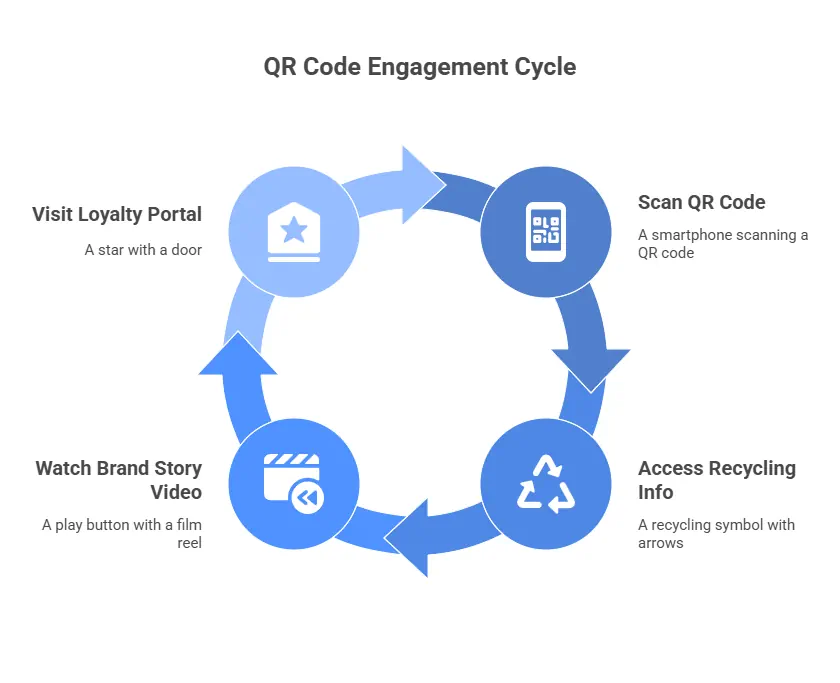
These elements not only improve engagement but also extend sustainability messaging — imagine a QR code that leads to recycling instructions, a brand’s environmental story, or a product tutorial. It’s cost-effective and adds emotional value.
For example, several UK-based cosmetic startups now use QR codes to replace printed leaflets, saving paper while still educating customers. Similarly, beverage brands have started adding scannable labels that reveal where ingredients are sourced — boosting transparency.
Practical benefits for small businesses:
- Save material and cost by replacing paper inserts with digital storytelling.
- Encourage repeat engagement with loyalty or feedback links.
- Show authenticity — verifiable information builds consumer trust.
The Rise of Soluble & Regenerative Packaging
A trend gaining traction in 2025 is soluble packaging — materials that dissolve safely in water after use, leaving zero waste. It’s particularly popular in personal care and cleaning products. For small UK brands, this technology offers both sustainability and novelty — an instant talking point for eco-conscious consumers.
Meanwhile, regenerative packaging goes one step beyond sustainability. Instead of just minimising harm, it aims to restore and improve the environment. Examples include packaging materials that enrich soil when composted or even contain embedded seeds that grow plants after disposal. It’s a futuristic but increasingly feasible concept that aligns perfectly with modern eco-conscious branding.
Tips for early adopters:
- Start small: offer a limited run or sample product using regenerative or soluble packaging.
- Share the story: customers love knowing their purchase contributes to restoration.
- Partner with local material innovators — the UK is seeing rapid growth in startups producing compostable and seed-infused papers.
Evolving Colour Trends
Forget the overused “green equals eco” stereotype. Designers predict that 2025 will see bold colours and minimal typography replacing muted tones. This shift reflects a new sustainable identity — one that’s modern, confident, and inclusive rather than earthy and rustic.
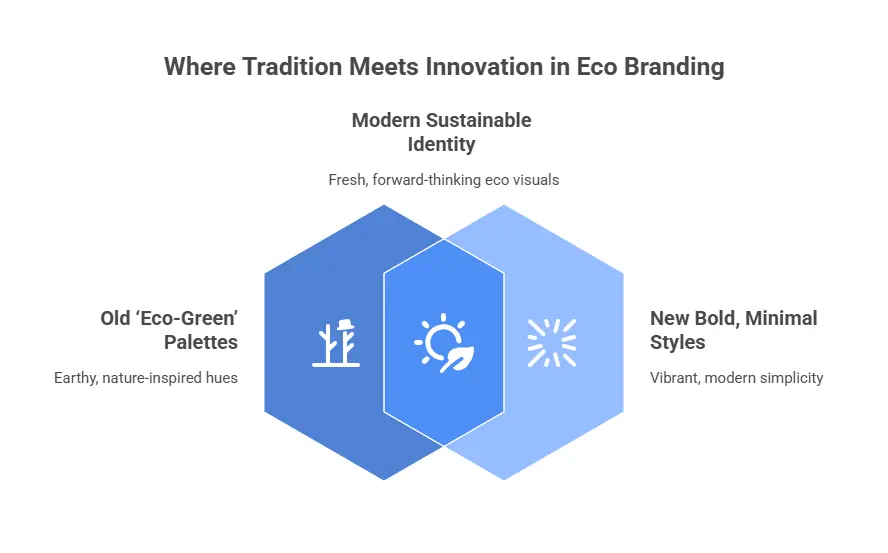
For small businesses, colour choices can powerfully signal values:
- Bold blues and deep oranges convey trust and innovation.
- Natural beiges and soft whites evoke purity and minimalism.
- Contrasting accents (like matte black with recycled brown) create premium appeal.
UK designer podcasts highlight the Gen Z influence — younger consumers associate sustainability with self-expression, not sacrifice. Packaging that feels current and audience-aware, rather than just “eco-looking,” is more likely to attract their attention.
Sustainable Materials & Design
While design trends grab attention, the real impact of sustainability lies in materials and structure. For UK small businesses, choosing the right materials can determine not just compliance but also long-term cost savings and brand reputation.
Recyclable, Biodegradable & Reusable Options
Recyclable paper and cardboard remain the UK’s most popular eco materials — accessible, affordable, and easily branded. Recycled kraft paper, in particular, offers a natural look that customers associate with authenticity. Many small business owners on Reddit emphasise that eco-friendly doesn’t have to mean dull — clever textures, foil-free printing, and minimalist logos can elevate even simple boxes.
Biodegradable foams made from starch or mushroom fibres are gaining attention as plastic alternatives, though some still face market availability and durability challenges. Reusable options, such as jars, tins, or fabric pouches, are ideal for subscription-based or refillable products.
Pro tips:
- Source FSC-certified paper or cardboard for verified sustainability.
- Avoid glossy coatings or mixed materials that hinder recycling.
- Test packaging for both appearance and performance — eco can still be strong.
Local Sourcing & Carbon Footprint
Local production is becoming a strategic advantage. Manufacturing or sourcing packaging within the UK reduces transport emissions, supports local jobs, and provides flexibility amid supply chain disruptions.
Recent market predictions show a growing trend toward reshoring — bringing packaging production closer to home. For example, many small brands in Wales and northern England now partner with local paper mills and print shops to reduce their carbon footprint.
Small steps that make a difference:
- Partner with UK-based packaging suppliers where possible.
- Choose regional fulfilment centres to cut courier miles.
- Highlight “Locally Sourced Packaging” on your website — consumers appreciate visible commitments.
Extended Producer Responsibility (EPR) & Compliance
With EPR and the plastic packaging tax tightening in 2025, compliance has become a top priority. These regulations make producers financially responsible for the waste their packaging generates, pushing companies toward recyclability and reduced material use.
For small businesses, this may seem daunting — but it’s manageable with preparation:
- Conduct packaging audits to track materials and recyclability.
- Clearly label recyclability: use standard on-pack recycling logos.
- Optimise dimensions and materials to meet EPR reporting requirements and lower costs.
Staying proactive not only avoids penalties but also boosts brand credibility. Transparency about your materials and compliance can be turned into a selling point — an opportunity to show responsibility and leadership.
Effective Branding Through Packaging
Packaging isn’t just a protective shell — it’s an extension of your brand story. For small UK businesses, effective branding through packaging can turn a one-time customer into a loyal advocate. Every element, from colour and typography to the materials you choose, contributes to how your audience perceives your business.
Consistent Identity & Transparency
Maintaining a consistent brand identity is key. Your packaging should reflect your brand’s logo, colours, and style guide in a way that aligns with your messaging and audience expectations. Minimalist layouts and clear typography not only enhance visual appeal but also communicate professionalism and trust.
Transparency is equally important — today’s UK consumers are savvy and can spot greenwashing from a mile away. Clearly indicate recycled or biodegradable materials, and consider including a brief message about your sustainability journey. This builds trust and positions your small business as ethically responsible.
Personalisation & Limited Editions
Personalisation can create a strong emotional connection with customers. Limited edition prints, seasonal packaging, or even customised messages inside the box make your products feel exclusive.
Small UK brands often use this tactic to encourage social media sharing — unboxing experiences that look thoughtful and visually appealing get noticed on Instagram, TikTok, and Pinterest. According to market insights, consumers are more likely to buy a product if they feel it has been tailored for them, even subtly.
Practicality vs Creativity
While creativity attracts attention, practicality ensures satisfaction. Packaging must protect products, withstand shipping, and ideally offer a second life through reuse. Reusable pouches, jars, or boxes not only reduce waste but also create an additional touchpoint for your brand.
Striking the balance between aesthetics and function is where professional design expertise comes in. Many UK small businesses work with experienced packaging designers like DataXpie to ensure their packaging is not only visually striking but also practical, compliant, and sustainable. The right guidance helps you combine your brand story with eco-friendly choices, creating packaging that customers will love and reuse.
Legal & Practical Considerations
Even the most beautiful and sustainable packaging must meet UK legal and practical requirements. Compliance protects your brand from fines, improves customer trust, and ensures a smooth operation from production to delivery.
Labelling and Compliance
UK law mandates clear labelling of ingredients, safety information, and recycling instructions. Small businesses often overlook subtle details like allergen warnings or recyclable symbols, which can lead to compliance issues. Simple, legible labels that meet legal standards also reassure consumers that your brand is trustworthy.
Size, Weight, and Shipping Efficiency
Packaging size and weight directly affect courier costs and carbon footprint. Reducing unnecessary packaging layers not only helps the environment but also saves money — especially for e-commerce businesses. Optimising dimensions for typical UK delivery parcels ensures lower shipping costs and fewer damages in transit.
Practical tips for small UK businesses:
- Conduct a packaging audit to remove excess materials.
- Test durability vs. weight to ensure products arrive intact.
- Include clear recycling instructions to meet consumer expectations.
- Plan packaging with stacking and storage in mind for warehouses and delivery vans.
Designing for Social Media
Packaging is no longer just functional — in 2025, it’s a powerful marketing tool. With social media influencing an increasing number of UK purchases, the way your packaging looks online can directly affect sales. A product that’s “Instagrammable” encourages sharing, builds brand awareness, and creates free advertising through user-generated content.
The ‘Unboxing’ Effect
Unboxing videos have become a global phenomenon, and UK consumers are no exception. According to recent industry insights, many buyers discover new products through social media posts featuring creative packaging. For small businesses, the unboxing experience offers an opportunity to make a lasting impression:
- Include thoughtfully designed inserts with brand messages.
- Use layers, textures, or surprise elements that delight customers.
- Highlight eco-friendly features like recyclable or reusable materials to reinforce sustainability.
When executed well, unboxing content doubles as a digital marketing channel, amplifying your brand story far beyond the initial purchase.
Educational & Behavioural Impact
Packaging can also educate consumers and influence behaviour. QR codes, short messages, or symbols that explain how to recycle, reuse, or compost packaging create value beyond aesthetics. In 2025, UK shoppers increasingly expect transparency and guidance, which can enhance loyalty.
Practical tips:
- Use QR codes linking to tutorials or sustainability stories.
- Include simple on-pack icons for recycling or reuse instructions.
- Create packaging that encourages a second life, like jars or pouches that can be repurposed.
Smart, educational packaging reinforces your brand’s eco-credentials and positions your small business as responsible and innovative.
Technology & AI in Packaging Design
While creativity and sustainability are essential, technology — particularly AI tools — is becoming an important ally for small businesses. AI can help streamline design processes, analyse consumer preferences, and even suggest eco-friendly material combinations.
AI as a Creative Accelerator
AI doesn’t replace human creativity, but it enhances it. For example, small UK brands can use AI to:
- Generate mockups for different packaging styles and colours.
- Analyse consumer trends and design elements that appeal to specific demographics.
- Test material and shape combinations for sustainability and durability.
This allows small businesses to make data-informed design decisions without hiring a large in-house team.
Balancing AI with Storytelling
Despite AI’s capabilities, the human element remains crucial. Your brand story, mission, and values should guide the design process. AI is most effective when paired with clear brand guidelines — something experienced designers, like those at DataXpie, can help you manage. They ensure that technology accelerates creativity while maintaining consistency, eco-credentials, and emotional resonance.
Work with Professional Designers
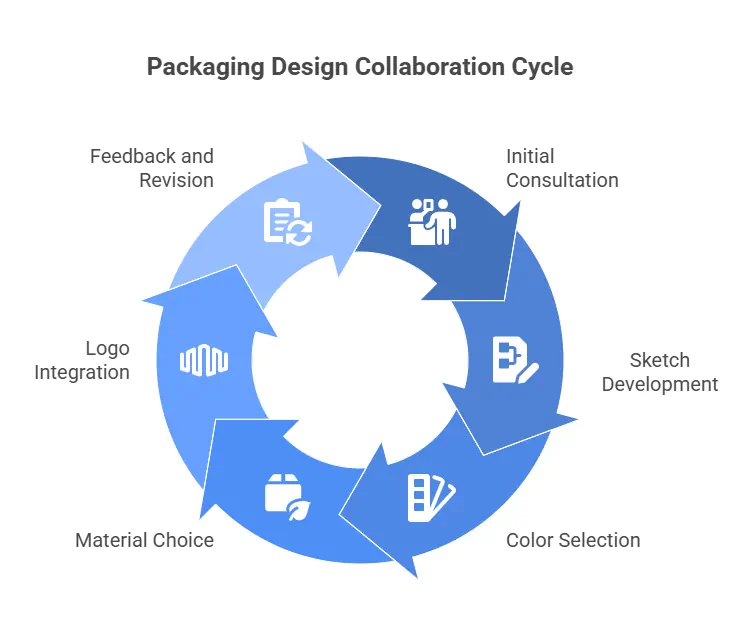
Even the most passionate small business owners can benefit from expert guidance when it comes to packaging. Professional designers bring technical knowledge, creativity, and compliance expertise that ensures your packaging is both visually striking and legally sound.
When to Hire a Designer
You should consider working with a packaging professional if you need help with:
- Brand consistency — ensuring your colours, fonts, and logo are applied consistently across all packaging types.
- Material selection — choosing recyclable, biodegradable, or reusable materials that meet UK regulations.
- Complex packaging structures — boxes, inserts, and eco-friendly innovations that require precision.
- EPR compliance — designing for weight, recyclability, and clear labelling to satisfy UK legislation.
Professional guidance doesn’t just solve practical problems — it elevates your brand. A well-designed package can communicate quality, sustainability, and attention to detail, setting your small business apart from competitors.
How to Brief a Designer
To get the most from a designer, prepare a clear brief:
- Brand Values & Story — Share your mission, target audience, and eco-goals.
- Design Goals — Specify whether you want minimalist, bold, playful, or luxurious packaging.
- Materials & Sustainability Requirements — Indicate recyclable, biodegradable, or reusable preferences.
- Budget & Timeline — Set realistic expectations upfront.
- Examples & Inspiration — Provide reference brands, colours, or textures you admire.
Working with experienced designers like DataXpie ensures that these elements are not just theoretical. Their team can translate your vision into packaging that is eco-friendly, regulatory-compliant, and perfectly aligned with your brand identity, while keeping small business budgets in mind.
Conclusion & Call-to-Action
Sustainable packaging in 2025 is more than a trend — it’s a strategic advantage for UK small businesses. By combining thoughtful material choices, modern design trends, and creative branding, you can make your packaging both eco-friendly and marketable. From minimalistic boxes to interactive QR codes, from reusable jars to bold, modern colour schemes, every choice communicates your brand story and sustainability values.
Key takeaways for small UK businesses:
- Packaging is your first impression — make it count.
- Sustainability, practicality, and aesthetics must work together.
- Digital and social media integration can amplify your brand’s message.
- Compliance with UK regulations like EPR is essential, not optional.
- Professional expertise can accelerate results and elevate your brand.
Your packaging is more than protection — it’s a powerful marketing tool and brand ambassador. If you want to create eco-conscious, visually appealing, and compliant packaging that truly stands out, consider exploring DataXpie’s professional packaging design services. Their team combines creativity, technical knowledge, and sustainability expertise to help small businesses in the UK deliver packaging that customers love and share.