

Introduction
For many UK small businesses, building a powerful digital presence is no longer optional — it’s essential. But not every business has the in-house technical team needed to design, build, and maintain a high-performing website or web application. Outsourcing custom web development offers a practical solution that balances quality, scalability, and cost.
Table Of Content
- Introduction
- Why Outsource Custom Web Development in the UK?
- When to Outsource Custom Web Development
- Choosing the Right Outsourcing Partner in the UK
- Defining Your Project Scope and Requirements
- Budgeting and Contracts for Outsourced Development
- Best Practices for Managing Outsourced Web Projects
- UK Agencies vs Freelancers: What’s Best for You?
- Conclusion & Call to Action
In 2025, with the UK digital economy continuing to expand, choosing the right time — and the right partner — to outsource can make or break a project. This guide walks you through why outsourcing works, when it’s the right move, and how to find trustworthy UK developers to get your business online faster, smarter, and stronger.
Why Outsource Custom Web Development in the UK?
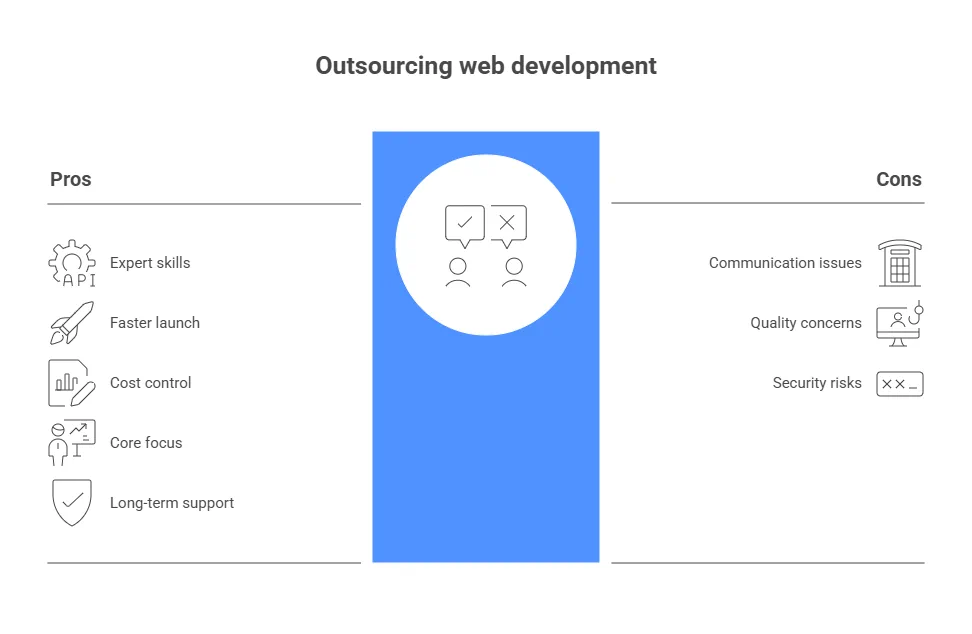
Outsourcing web development isn’t just about saving money — it’s a strategic choice that gives small businesses access to world-class skills and technology without the hassle of hiring full-time staff. Whether you’re a growing e-commerce brand, a local service provider, or a startup looking to scale, outsourcing brings several key benefits.
1. Access to Expert Skills
Many small businesses don’t have in-house teams fluent in frameworks like React, Node.js, or Laravel — all essential for building modern, high-performing sites and apps. By outsourcing, you tap into skilled developers who can build exactly what you need using the latest tools and best practices.
2. Faster Time-to-Market
Hiring, onboarding, and training developers takes time. Outsourcing allows you to work with ready-to-go professionals who can start immediately, helping you launch your website or app faster — especially useful for startups racing to secure investors or market share.
3. Cost Control and Flexibility
In-house development can be expensive, especially with UK tech salaries climbing each year. Outsourcing provides flexibility — you can scale resources up or down depending on your workload, paying only for what you need. For small businesses managing cash flow, this flexibility is invaluable.
4. Focus on Core Business
When technical work is handled by experts, your internal team can focus on business growth, marketing, and customer relationships — the areas that truly drive revenue. It’s about freeing your time to work on your business, not in it.
5. Long-Term Support and Maintenance
Many UK agencies and freelance developers offer ongoing support plans that include maintenance, security updates, and hosting management. That means your website remains secure, up-to-date, and optimised long after launch.
When to Outsource Custom Web Development
While outsourcing has many advantages, it’s most effective when done at the right stage of your business journey. Here are the most common scenarios where UK businesses choose to outsource web development — and why it makes sense.
Lack of In-House Expertise
If your business doesn’t have developers proficient in technologies like React, Laravel, or Shopify, outsourcing fills that gap. Instead of trying to train internal staff or hiring full-time engineers, you can bring in experts who already know how to build exactly what you need. This ensures your project stays on schedule and meets modern technical standards.
Scaling Up Development Resources
Growth often brings complexity. When your business is expanding — adding new services, e-commerce features, or a booking system — outsourcing allows you to scale your development capacity quickly. You can bring in extra developers or designers temporarily, keeping your project agile and adaptable without long-term hiring commitments.
Cost Efficiency
Outsourcing is often 30–50% more affordable than maintaining a full-time internal team, especially when you factor in recruitment, training, and employee benefits. You only pay for completed deliverables, making budgeting straightforward. For many UK startups, this is the smartest way to manage resources without compromising quality.
Focusing on Core Business Goals
Web development can be time-consuming and technical. By outsourcing, business owners and managers can focus their attention on growth strategy, marketing, or product development — while experienced professionals handle the technical build. This division of labour keeps your business running efficiently.
Need for Continuous Updates and Support
Websites aren’t one-time projects. They need ongoing optimisation, bug fixes, and content refreshes to stay competitive. Partnering with a UK-based agency or freelance developer means you can access reliable long-term support for maintenance, SEO improvements, and performance tuning — often on a monthly or pay-as-you-go plan.
Choosing the Right Outsourcing Partner in the UK
Finding the right development partner can make all the difference between a smooth, successful project and one filled with delays or confusion. For UK businesses, choosing wisely means balancing technical skills, communication, and cultural fit.
Here’s how to make that decision confidently.
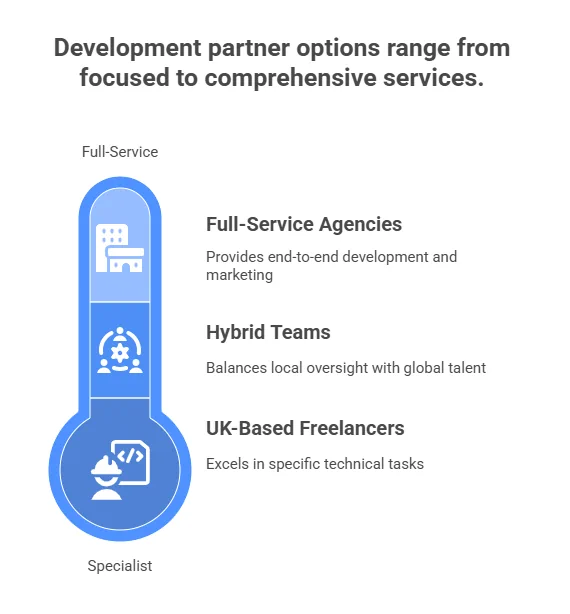
UK-Based vs Offshore Teams
While offshore outsourcing (e.g. developers from Eastern Europe or Asia) can sometimes reduce costs, UK-based agencies or freelancers offer distinct advantages that often justify the slightly higher rates.
- Local Compliance: UK developers understand GDPR, data protection laws, and other legal frameworks that affect online businesses.
- Shared Time Zone: Working within UK hours ensures real-time collaboration and faster responses.
- Cultural Alignment: Communication feels easier — expectations, humour, and work habits tend to align naturally.
- Quality Assurance: Many UK agencies are registered businesses with verifiable portfolios and client reviews, reducing risk.
If you do work with offshore developers, consider a hybrid model — a UK-based project manager overseeing international talent — to keep quality and accountability high.
Evaluating Experience and Skills
Before signing any contract, take the time to evaluate your potential partner’s technical capability and track record.
- Portfolio Review: Look at examples of past work — especially projects similar to your own. For example, if you need an e-commerce platform, check if they’ve built sites using Shopify or WooCommerce.
- Client Testimonials: Ask for reviews or references from UK businesses. This gives insight into reliability, communication, and post-launch support.
- Case Studies: See how they solved challenges for other clients — it shows how they think and problem-solve.
- Technology Stack: Ensure they’re skilled in the tools you need — whether that’s React, Next.js, Laravel, or WordPress.
- Soft Skills: Don’t underestimate communication. A great developer explains complex topics in simple terms and asks smart questions about your goals.
Full-Service Agencies vs Specialists
Some businesses only need coding help, while others benefit from a full-service approach. UK agencies that offer end-to-end support — from UX/UI design to SEO and cloud hosting — can save you the hassle of coordinating multiple vendors.
A full-service agency typically includes:
- Web developers (front-end and back-end)
- UX/UI designers
- Project managers
- Quality assurance testers
- Digital marketers
This team-based structure ensures your website is cohesive, user-friendly, and ready to perform from launch day.
Defining Your Project Scope and Requirements
One of the most common reasons outsourced projects fail is a lack of clarity. Before you hand anything over to a developer, take the time to define your scope, objectives, and success criteria. This step saves time, reduces costs, and prevents misunderstandings.
1. Outline Clear Objectives
Start by defining what you want the website or app to achieve.
- Are you building an e-commerce platform to sell products?
- A booking system for services?
- A content hub for customer engagement?
Having clear goals helps your developer choose the right tools and structure from the start.
2. List Key Features and Functional Requirements
Create a list of must-have features — for example:
- User registration or login
- Payment gateways like BACS, Stripe, or PayPal (popular in the UK market)
- Product catalogue with filters and search
- Contact forms or live chat
- Mobile-friendly design (responsive layout)
Prioritise your “must-haves” versus “nice-to-haves” — this helps developers provide accurate time and cost estimates.
3. Define Your Preferred Technology Stack
If you have preferences or existing systems, mention them early. For instance, you might prefer:
- WordPress or Shopify for easy content updates.
- Laravel or Node.js for complex custom functionality.
- React or Next.js for high-performance front-end interfaces.
Even if you’re unsure, a good developer can recommend the best stack based on your goals and budget.
4. Visual and Branding Guidelines
Design consistency matters. Share your brand colours, fonts, logos, and tone with the developer before work begins. If you have a brand guideline document, provide it early to ensure the final product aligns perfectly with your visual identity.
5. Define Timelines and Deliverables
Break your project into phases or milestones — for example:
- Discovery and planning
- Design mock-ups
- Development
- Testing and feedback
- Launch
Having milestones tied to specific deliverables keeps everyone accountable and helps manage payment schedules fairly.
Budgeting and Contracts for Outsourced Development
One of the biggest advantages of outsourcing web development is flexibility — you can align your project with your available budget and desired timeline. But before you start, it’s important to understand what influences cost and how to protect your business legally.
1. Understanding Cost Factors
Custom web development pricing varies depending on your goals, features, and technology stack. Some of the main cost drivers include:
- Project Complexity: A basic business website with 5–10 pages may cost between £3,000 and £8,000, while a fully custom web app or e-commerce platform could range from £15,000 to £50,000+.
- Technology Stack: Frameworks like React, Laravel, or Node.js tend to cost more than simpler CMS platforms like WordPress or Shopify.
- Experience Level: Senior developers and established agencies charge more, but they also deliver higher-quality work and reliability.
- Timeline: Tight deadlines often mean higher costs because of overtime or larger teams.
- Location: UK-based developers typically charge between £40–£100 per hour, while agencies may range from £60–£150 per hour.
Although offshore developers may charge less, UK-based professionals offer added value through local market understanding, cultural alignment, and GDPR compliance — all crucial for small businesses operating in the UK market.
2. Setting Milestones and Payment Terms
One of the smartest ways to manage costs is to break your project into milestones. Each milestone represents a stage in development — such as planning, design, development, and testing — with a clear deliverable attached.
This approach helps you:
- Maintain control over progress and quality.
- Reduce risk by releasing payments only after each milestone is approved.
- Keep both sides accountable and motivated.
A typical payment structure might look like this:
- 20% upfront (to start the project)
- 40% after main development completion
- 30% after testing and approval
- 10% after final delivery and support setup
3. Contracts and Legal Protection
A solid written contract protects both you and your developer. It sets expectations clearly and avoids disputes later on.
Key clauses to include:
- Ownership of Intellectual Property (IP): Ensure you retain full ownership of the website or code after payment.
- Confidentiality Agreement: Protects your data, business ideas, and client information.
- GDPR Compliance: For any user data collected, ensure developers follow UK data protection laws.
- Maintenance and Support Terms: Specify who handles updates, bug fixes, and post-launch technical support.
- Termination Clause: Define conditions for ending the contract if performance or timelines aren’t met.
Having a legally sound agreement keeps your project secure and professional from start to finish.
Best Practices for Managing Outsourced Web Projects
Once your project begins, good management and communication are essential for success. Even if your developer or agency is highly skilled, clear collaboration keeps the process efficient and prevents misunderstandings.
1. Communicate Clearly and Regularly
Consistent communication builds trust and helps spot potential issues early.
- Use tools like Slack, Microsoft Teams, or Zoom for day-to-day updates.
- Schedule weekly check-ins or sprint reviews to track progress.
- Keep a shared folder (Google Drive or Notion) for assets, briefs, and reference files.
- Encourage your developer to ask questions or raise concerns quickly.
When communication flows smoothly, projects stay on schedule and surprises are minimised.
2. Use Project Management Tools
Using digital tools keeps everyone organised and accountable.
Popular choices include:
- Trello or Asana – for visual task tracking.
- Jira – for detailed issue tracking and agile projects.
- GitHub or Bitbucket – for code collaboration and version control.
Assign responsibilities clearly — who approves designs, tests updates, or handles content uploads — so nothing slips through the cracks.
3. Follow an Agile Development Process
Many UK agencies and freelancers work with agile methods, which break the project into smaller, manageable “sprints.”
This approach lets you:
- Review progress regularly instead of waiting for a final delivery.
- Provide feedback during development rather than after launch.
- Adjust priorities as business needs evolve.
This flexibility is especially useful for startups whose product ideas may evolve over time.
4. Prioritise Feedback and Testing
Testing is crucial before launching your site or app. Always ask for access to a staging version where you can check features, design responsiveness, and speed.
When giving feedback:
- Be specific and clear (e.g., “Change the call-to-action button colour to blue for consistency”).
- Group feedback by topic (design, content, functionality) to keep it organised.
- Document revisions and approvals in writing.
5. Respect Time Zones and Working Hours
If you’re working with offshore or hybrid teams, agree on overlapping hours for communication. For UK-based projects, try to keep all major reviews and meetings within UK business hours — this helps maintain momentum and reduces miscommunication.
UK Agencies vs Freelancers: What’s Best for You?
When outsourcing custom web development, UK small businesses often face a key decision: Should you hire a freelancer or work with a digital agency? Both have advantages — your choice depends on project scope, budget, and long-term goals.
1. Working with Freelancers
Freelancers are ideal for smaller projects, startups, or businesses seeking flexibility.
They offer:
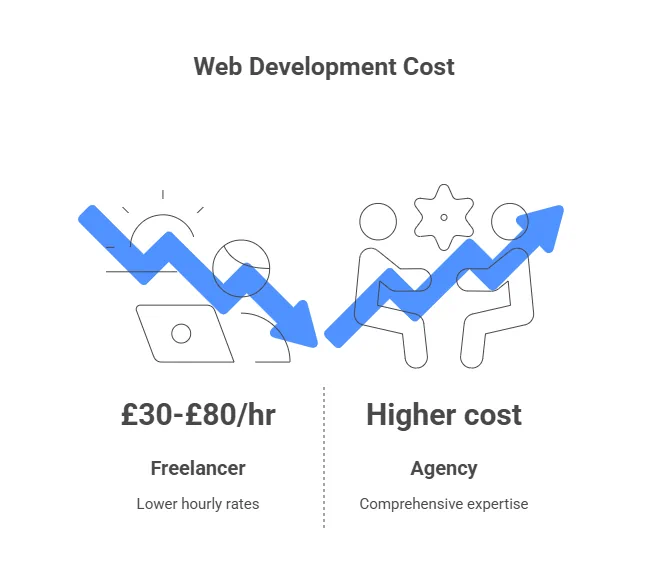
- Lower Costs: Hourly rates are typically lower than agencies (£30–£80/hr depending on experience).
- Direct Communication: You deal directly with the developer, making decisions faster.
- Niche Expertise: Freelancers often specialise in specific technologies like WordPress, React, or Shopify.
However, there are limitations:
- They may lack backup resources, so if one person is unavailable, deadlines may slip.
- Scaling up for larger or multi-functional projects can be difficult.
- Limited post-launch support, unless agreed upon separately.
👉 Best for: Simple websites, MVPs (minimum viable products), or one-off features that don’t require ongoing maintenance.
2. Working with UK-Based Agencies
Agencies, on the other hand, bring together multiple specialists under one roof — developers, designers, project managers, and QA testers.
Their benefits include:
- Comprehensive Expertise: You get a full team — covering design, coding, testing, SEO, and even digital marketing.
- Reliability: Work continues even if one team member is unavailable.
- Structured Process: Agencies usually have established workflows, timelines, and quality control.
- Long-Term Support: Many provide maintenance contracts and ongoing technical updates.
The trade-off is higher cost, but the value comes in quality assurance, scalability, and peace of mind — especially for small businesses planning long-term digital growth.
👉 Best for: Complex or large-scale projects, e-commerce platforms, and businesses needing continuous improvements.
3. Hybrid Approach
A growing trend among UK startups is the hybrid model — hiring a freelancer for core development while engaging an agency for project management or design. This offers a balance of cost efficiency and quality control.
Conclusion & Call to Action
Outsourcing custom web development is more than a cost-saving measure — it’s a strategic growth move for UK small businesses in 2025. Whether you’re building a new platform, upgrading your website, or developing an app, the right outsourcing approach can dramatically boost your digital presence and competitiveness.
By partnering with UK-based experts who understand your market, you gain:
- Access to top-tier technical talent without hiring full-time.
- Compliance with local laws such as GDPR and accessibility standards.
- Cultural and time zone alignment for smoother collaboration.
- End-to-end digital support — from design and development to maintenance and marketing.
The key is choosing the right partner — one that aligns with your goals, communicates clearly, and delivers results that reflect your brand’s professionalism and ambition.
Your Next Step
If you’re ready to turn your idea into a powerful digital product, consider working with DataXpie’s vetted UK developer team.
We offer flexible, on-demand development services tailored for startups and small businesses — helping you build faster, smarter, and within budget.
Let’s make your next web project a success. 🚀