

In today’s fast-moving digital world, building a memorable Brand Identity isn’t just about having a great logo or catchy slogan — it’s about telling a story that people genuinely care about. For UK entrepreneurs, especially those leading small businesses, storytelling has become the key ingredient for turning casual customers into loyal advocates.
The truth is, consumers are bombarded with thousands of marketing messages every single day. Yet, the ones that stand out are the ones that make people feel something. A good brand story gives your business personality, purpose, and emotional depth — and in 2025, that’s exactly what UK audiences are looking for.
Why Storytelling Is Crucial for UK Brand Identity in 2025
Storytelling isn’t just a marketing trend — it’s the bridge that connects your brand’s purpose with your audience’s emotions. In a typical day, people are exposed to more than 5,000 brand messages, from social ads to product emails. With so much noise, facts and features alone can’t hold attention. But a story — one that resonates with real human experiences — can.
UK consumers increasingly seek authenticity and shared values in the brands they support. A recent survey found that 86% of UK buyers say authenticity influences their brand choices. That means the future of branding belongs to businesses that can communicate their “why” — not just what they sell.
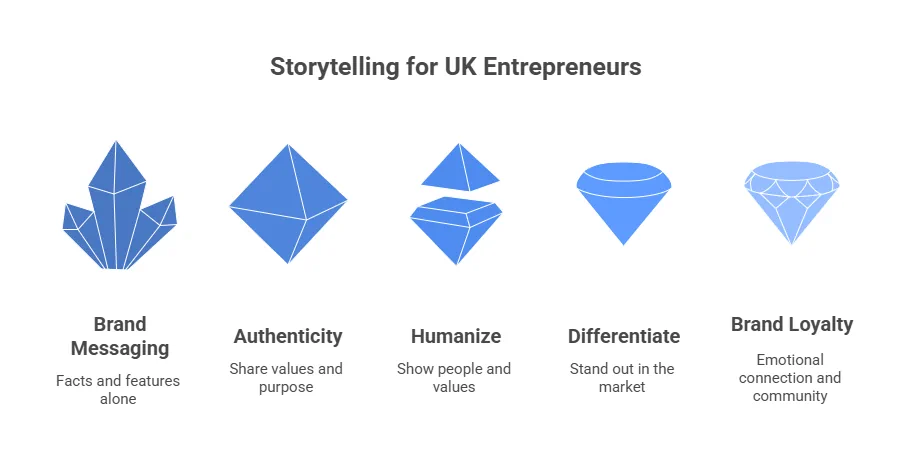
Storytelling helps you:
- Build trust and loyalty through emotional connection.
- Humanise your business, showing the people and values behind it.
- Differentiate your brand in a crowded market.
- Turn customers into communities who share and spread your story.
For entrepreneurs, storytelling is your secret weapon — a low-cost, high-impact way to compete with big brands by building real human relationships.
Core Elements of Effective Brand Identity
Just like every good novel or film, a strong brand story needs structure, emotion, and authenticity. The most successful UK brands don’t just describe what they sell — they invite people into a narrative where customers play a role. Below are the key elements that make storytelling truly effective.
Emotional Connection Drives Customer Engagement
At its heart, storytelling is about emotion. Facts appeal to logic, but emotion drives action — and that’s what makes people buy, share, and stay loyal.
Think about John Lewis’s Christmas adverts. They rarely talk about products. Instead, they tell emotional stories of love, kindness, or connection that people remember long after the advert ends. That emotional impact builds trust and brand affinity.
For small business owners, emotional storytelling doesn’t have to mean big budgets. It can be as simple as sharing your journey — why you started, what challenges you faced, or how your product changed someone’s life. Those real moments are what connect.
Authenticity Is Non-Negotiable
Modern UK audiences are savvy. They can sense when a brand is trying too hard or faking its values. That’s why authenticity is the foundation of all successful storytelling.
Don’t just tell people what your values are — show them.
For example:
- Share behind-the-scenes photos of your team.
- Talk about your challenges as openly as your wins.
- Highlight your sustainable or ethical practices honestly.
The more human your story feels, the more your audience will trust you. Authentic storytelling turns your brand into something people believe in — not just buy from.
Align Your Story with Audience Values
Every great story starts with understanding its audience. Successful brand storytelling aligns your message with your customers’ beliefs and priorities — whether that’s sustainability, community, or innovation.
For instance, Marks & Spencer’s “Plan A” sustainability initiative tells a story of responsibility and long-term environmental care, resonating deeply with eco-conscious shoppers in the UK. Similarly, The Body Shop has built its reputation on ethical sourcing and activism — stories that customers proudly share.
If you’re a small business, think about what matters to your audience. Do they care about local production, diversity, or environmental impact? Build your narrative around those values, and your story will naturally connect.
Leverage Storytelling Across Digital Channels
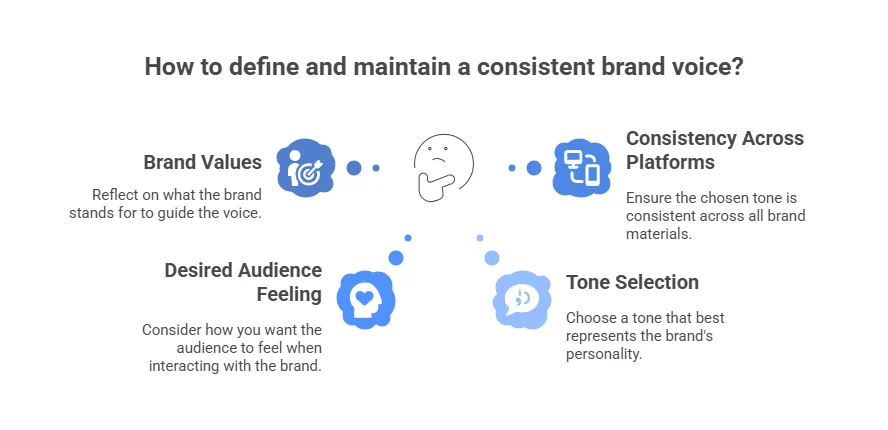
Once your story and voice are clear, it’s time to share them across digital platforms. Each channel offers a unique way to express your Brand Identity — the trick is keeping the story coherent while adapting the format.
Here’s how to do it effectively:
- Social Media: Use Instagram or LinkedIn to share short, behind-the-scenes stories, founder journeys, or customer spotlights.
- Website: Dedicate an “Our Story” or “About” page to your mission, challenges, and values. Include visuals or videos for emotional impact.
- Email Marketing: Personalise your updates with mini-stories — how your product evolved, what your team’s working on, or how you helped a customer.
- Influencer or Partner Collaborations: Work with people who genuinely align with your story. Authentic partnerships strengthen credibility far more than paid promotions alone.
The goal isn’t to post more — it’s to tell stories that mean more. Each post or email should add another chapter to your Brand Identity narrative.
Practical Storytelling Tips for UK Entrepreneurs
Now that you know what makes storytelling work, here’s how to put it into practice — even with limited time or budget.
- Tell your entrepreneurial journey – Share your “why.” Talk about what motivated you to start, and how your Brand Identity helps others.
- Showcase real people – Introduce your team, customers, or community. People relate to people more than products.
- Highlight your impact – Whether it’s supporting local suppliers, reducing waste, or helping your community, make it part of your story.
- Use storytelling to stand out – Don’t blend in with corporate copy. Share your unique quirks, your tone, your perspective.
- Test and refine – Use analytics and feedback to learn which stories resonate most, then tell more of those.
Remember, storytelling isn’t a one-time campaign — it’s an ongoing conversation between your brand and your audience.
Examples of Leading UK Brands Using Storytelling
Learning from big Brand Identity can help small businesses apply similar principles on a smaller scale.
John Lewis – Emotional Storytelling that Unites Audiences
Every year, John Lewis launches a Christmas advert that becomes a cultural event in the UK. These adverts rarely sell products directly — they tell touching stories about connection, kindness, and love. The emotional resonance keeps the brand top-of-mind all year long.
Gymshark – Community-Driven Storytelling
Gymshark’s rise wasn’t built on ads; it was built on community. By highlighting real customers, influencers, and shared fitness goals, they created a story of empowerment and togetherness. This made people feel part of something bigger than just a clothing brand.
Innocent Drinks – Playful Transparency
Innocent’s storytelling feels human and honest. From cheeky packaging copy (“Stop looking at my bottom”) to sustainability stories, their tone is authentic, conversational, and unmistakably British. It shows that humour and honesty can build a loyal following.
Takeaway for Entrepreneurs:
You don’t need a million-pound campaign. What matters is consistency, emotion, and truth. Whether you sell handmade candles or offer accounting services, tell stories that reflect your values — not someone else’s.
Common Storytelling Mistakes to Avoid
Even the best-intentioned Brand Identity sometimes miss the mark. Here are some pitfalls to steer clear of:
- Being Inauthentic: Don’t exaggerate your story. Audiences can sense when something feels staged.
- Ignoring Audience Values: A story that doesn’t connect with your customers’ priorities will fall flat.
- Inconsistent Messaging: If your tone or visuals differ across platforms, your story loses strength.
- Overcomplicating the Message: Keep your stories clear and emotional. People remember feelings, not details.
Successful storytelling is about being real, not perfect.
Conclusion – Make Your Brand Story Unforgettable
In 2025, your Brand Identity story is more than just marketing — it’s the emotional glue that binds your audience to you. For UK entrepreneurs, effective storytelling means being authentic, consistent, and deeply human.
By connecting with your customers’ hearts, not just their wallets, you can turn one-time buyers into lifelong fans.
If you’re ready to uncover and craft your brand’s unique story, join DataXpie’s Brand Identity Workshop — where we help UK entrepreneurs turn their values, mission, and voice into a story that truly stands out.