
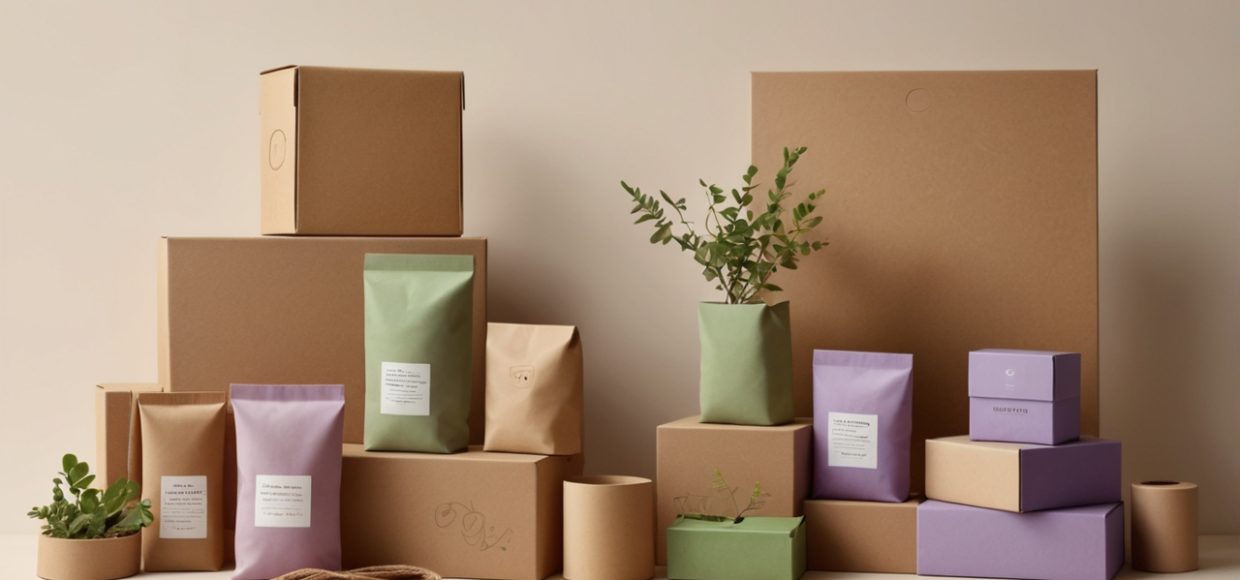
For UK small businesses, packaging is no longer just about protection or presentation — it’s a powerful statement of brand values and environmental responsibility. With sustainability now a key purchasing factor, customers increasingly expect packaging that looks beautiful and minimises waste. At the same time, new 2025 regulations are pushing companies to rethink materials, reduce plastic, and embrace greener design choices.
Table Of Content
- Understand the UK Packaging Revolution in 2025
- Embrace Minimalistic and Lightweight Design
- Reflect Your Brand Identity in Packaging
- Optimise for E-Commerce Packaging Needs
- Incorporate Technology and Interactive Features
- Support Local Suppliers and the Circular Economy
- Follow UK Packaging Regulations and Tax Incentives
- Creative Packaging Ideas That Impress and Protect
- Practical Tips to Launch Your Sustainable Packaging
- Conclusion & Call to Action
This article will guide you through the essentials of creating eco-friendly, eye-catching packaging tailored for the modern UK market. You’ll discover how to choose sustainable materials, reflect your brand identity, and comply with new laws — all while keeping your packaging creative, affordable, and ready for e-commerce success.
Understand the UK Packaging Revolution in 2025
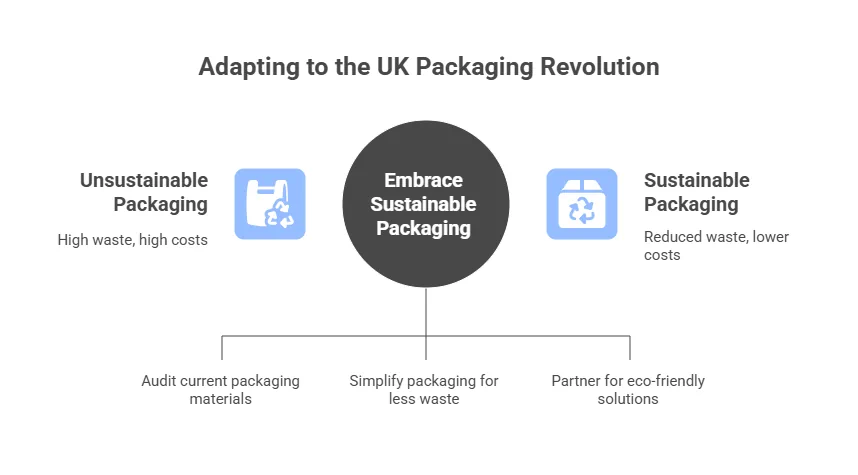
The UK packaging landscape is in the midst of a transformation. Stricter government policies, growing consumer awareness, and pressure from major retailers are driving an unprecedented shift toward sustainable packaging. For small businesses, adapting to these changes isn’t optional — it’s critical for both brand reputation and cost efficiency.
The push for greener compliance
From Extended Producer Responsibility (EPR) regulations to increases in the Plastic Packaging Tax, 2025 marks a decisive year. Businesses are now expected to take accountability for the entire lifecycle of their packaging — from design to disposal. Those that fail to comply risk penalties or higher operational costs, while those that innovate early can access incentives and bolster brand trust.
According to spnews.com, 78 % of UK shoppers now prioritise sustainable packaging when making purchasing decisions. This means your customers are already paying attention to how your brand packages products. The move toward greener design isn’t just about ethics — it’s about staying relevant and competitive in a rapidly evolving marketplace.
What this means for small businesses
Small and independent UK brands have a unique opportunity in this shift. Unlike larger corporations tied to complex supply chains, small businesses can pivot faster, experimenting with innovative materials, lighter designs, and local suppliers.
- Adapt early: Understand your packaging footprint and audit current materials.
- Redesign with purpose: Simplify packaging where possible — less can be more.
- Collaborate smartly: Work with professional packaging design partners, such as DataXpie, to develop eco-friendly solutions that align with both your sustainability goals and branding strategy.
By getting ahead of the 2025 packaging revolution, you’re not only reducing waste and costs but also positioning your business as a forward-thinking, trustworthy brand in the eyes of environmentally conscious UK consumers.
Choose Sustainable Materials Wisely
Choosing the right materials is at the heart of sustainable packaging design. In 2025, UK small businesses have more eco-friendly options than ever — from recyclable paper and compostable films to innovative bio-based wraps. The key is finding the balance between durability, cost, and environmental impact while ensuring that your packaging aligns with your brand identity and the expectations of conscious consumers.
The rise of next-generation eco-materials
As the UK government tightens sustainability standards, new materials are gaining ground:
- Recycled cardboard and paper (FSC-certified): Ideal for boxes, sleeves, and inserts, these materials ensure traceability and forest-friendly sourcing. FSC certification also boosts consumer trust — especially among buyers who prioritise transparency.
- Compostable materials (PLA and cellulose-based films): These plant-derived alternatives to plastic are perfect for food and cosmetic packaging. They break down naturally, reducing landfill waste and aligning your brand with the circular economy.
- Water-resistant sustainable coatings: Traditional lamination often uses plastic, but new water-based or plant-derived coatings offer the same protection with a fraction of the environmental cost.
- Biodegradable foams and wraps: Replacing conventional bubble wrap, these provide cushioning for e-commerce packaging while being fully compostable.
Each of these materials not only reduces your carbon footprint but also signals your brand’s dedication to environmental stewardship — a message modern UK customers value deeply.
Tailor materials to your product and locality
One size doesn’t fit all in packaging. A skincare brand might prioritise compostable films for product wrapping, while an artisan candle business may benefit from recycled paperboard boxes. The key is ensuring your materials are compatible with local recycling infrastructure — not all compostable films or bio-materials are processed by every council.
It’s also worth considering regional supply chains. Sourcing your packaging materials from UK-based or EU suppliers can significantly cut transport emissions while supporting local economies.
Professional design teams like DataXpie can help small businesses audit their existing packaging, identify greener alternatives, and ensure that the final design remains both cost-effective and regulatory compliant. By strategically selecting sustainable materials, you set the foundation for an eco-conscious brand that customers trust.
The customer perception advantage
Eco-friendly packaging doesn’t just reduce waste — it enhances brand perception. In an era where customers equate sustainability with quality and authenticity, the choice of material can make your brand appear premium without extravagant spending.
A recyclable kraft box with clean typography, for example, communicates honesty and care — messages that resonate with environmentally aware UK audiences.
Embrace Minimalistic and Lightweight Design
In 2025, the most powerful packaging designs in the UK are not the loudest — they’re the simplest. Minimalistic and lightweight packaging has become a defining trend, both for environmental and branding reasons. It’s proof that less truly can be more. By stripping away excess materials, reducing weight, and focusing on clean, thoughtful design, small businesses can save money, boost sustainability, and elevate their brand image all at once.
Why minimalism is more than a trend
Minimalistic design isn’t about being plain — it’s about being purposeful. Every material, line, and texture serves a clear function. This design philosophy not only reduces waste but also reinforces a modern, transparent brand identity that UK customers increasingly associate with honesty and environmental awareness.
According to gwp.co.uk, companies that adopt lightweight packaging strategies can reduce material usage by up to 30%, significantly cutting shipping costs and carbon emissions. For e-commerce brands, that translates into lower fulfilment costs and fewer returns due to overpacking.
Small businesses adopting this approach often find that customers appreciate the experience of less clutter and more clarity. A neatly designed box with natural tones and minimal graphics can make your product feel both premium and sustainable.
Design principles for lightweight impact
Here are a few principles to help you embrace minimalism effectively:
- Use fewer materials: Design boxes that fit your product snugly, avoiding unnecessary layers or inserts.
- Simplify shapes: Rectangular or fold-flat structures are efficient, easy to ship, and waste less space.
- Focus on typography and texture: Subtle embossed logos, kraft paper finishes, or sustainable ink stamps can create sophistication without excess colour or print.
- Balance form and function: Lightweight doesn’t mean flimsy — choose strong recycled boards or smart structural folds that maintain protection.
Professional partners like DataXpie can assist in redesigning packaging structures using modern CAD tools to test durability while reducing material volume. This ensures your packaging stays elegant and protective while contributing to your business’s green goals.
Minimalism as a branding tool
Minimalism also communicates confidence. A well-designed, unembellished box signals that your product can stand on its own merits — a message that resonates strongly with today’s eco-aware, design-savvy UK consumer. It’s no surprise that many small businesses are turning minimalist packaging into a hallmark of their brand identity.
When done right, minimalism elevates sustainability into a visual language: simplicity becomes sophistication, and clean design becomes a promise of environmental integrity.
Reflect Your Brand Identity in Packaging
Your packaging is more than a box — it’s a conversation between your brand and your customer. Every colour, texture, and detail tells part of your story. In the UK’s competitive retail and e-commerce markets, where many products compete for attention, packaging design has become an essential expression of brand personality.
Great packaging captures who you are and what you stand for. It’s what turns a simple unboxing moment into an emotional brand experience — the kind that customers remember and share. In 2025, UK consumers are seeking authenticity, sustainability, and creativity, and your packaging must deliver all three.
Use design elements to tell your story
Your packaging design should instantly communicate your values, whether that’s sustainability, craftsmanship, luxury, or playfulness. Key elements to consider:
- Colour schemes: Choose tones that evoke your brand’s emotion — earthy greens for eco-consciousness, pastels for warmth, or bold hues for innovation.
- Typography: Fonts should match your tone — minimalist sans-serifs for modern brands, hand-drawn typefaces for artisanal ones.
- Textures and finishes: Subtle embossing, debossing, or foil stamping (done with sustainable inks and foils) can add tactile interest without compromising recyclability.
- Imagery: Illustrations or patterns inspired by your brand story — nature, culture, or local heritage — can make your packaging instantly recognisable.
Professional packaging design teams like DataXpie help small businesses in the UK translate their brand essence into visual and material form. This means ensuring every packaging detail — from layout to finish — aligns seamlessly with your brand style guide and environmental goals.
H3: Personalisation & Limited Editions
Personalised and limited-edition packaging has become one of the most effective ways to build emotional connection and drive repeat purchases. In 2025, UK brands are embracing small-batch and custom-printed packaging to create memorable, collector-worthy experiences.
Imagine including a customer’s name on the box, offering a “Seasonal Collection” with hand-illustrated sleeves, or collaborating with local artists for a limited run — these touches spark joy and encourage social media sharing.
Such initiatives not only foster a sense of exclusivity but also reinforce brand identity. For small businesses, personalised packaging can be done sustainably through digital print-on-demand systems that reduce waste and avoid excess stock.
Partnering with experts like DataXpie allows you to experiment with these creative elements efficiently — keeping your designs sustainable, cost-controlled, and perfectly on-brand.
H3: Practicality vs Creativity
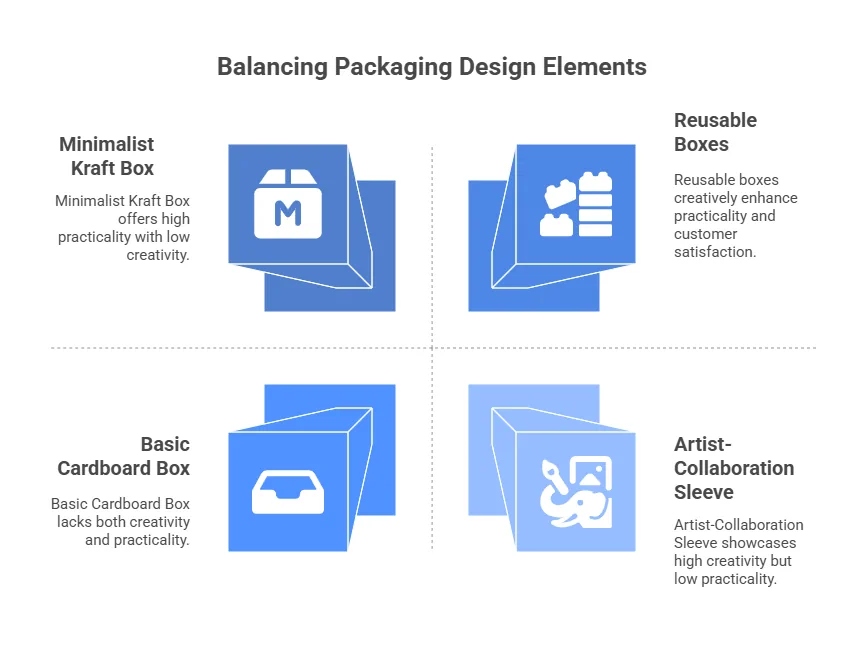
Every small business walks a fine line between designing packaging that looks stunning and ensuring it’s practical, protective, and cost-effective. The good news: you don’t have to choose one over the other.
Smart packaging design blends creativity with functionality. Consider reusable boxes, clever folding structures, or multi-purpose sleeves that can double as product holders or display stands. This kind of innovation not only reduces waste but also enhances customer satisfaction.
For example, a UK candle brand might use a beautifully printed tube that later serves as a decorative storage container — combining creativity with utility. Similarly, a bakery could design compostable boxes with cut-out windows shaped like its logo — memorable, sustainable, and useful.
By integrating design thinking with practical usability, you create packaging that customers love to keep rather than discard. And when handled strategically with guidance from design professionals like DataXpie, you can achieve a balance of elegance, durability, and eco-credibility that defines long-term brand success.
Optimise for E-Commerce Packaging Needs
With the rise of online shopping across the UK, your packaging must now do double duty — it needs to protect your product during delivery while also providing a delightful unboxing experience that strengthens your brand identity. In 2025, e-commerce packaging has evolved far beyond the standard brown box. It’s now a vital part of the customer journey — one that can turn first-time buyers into loyal advocates.
For small businesses, mastering e-commerce packaging means balancing practicality, cost, and presentation while staying true to sustainability goals.
Design for protection and purpose
E-commerce packaging faces a tougher life than in-store packaging. It must survive couriers, sorting hubs, and multiple handling points. Yet that doesn’t mean it needs to be bulky or wasteful. The smartest packaging designs today use clever engineering and eco-conscious materials to keep products safe with minimal filler.
- Reusable mailer boxes: Durable cardboard designs that customers can repurpose or return — popular among fashion and subscription brands.
- Smart inserts and dividers: Replace bubble wrap with die-cut cardboard or moulded pulp inserts that hold products securely in place.
- Slim, flat-pack designs: Reduce postage costs and carbon emissions by creating packaging that ships efficiently and folds neatly for storage.
By testing your packaging prototypes under real delivery conditions, you can ensure that durability doesn’t compromise sustainability.
Professional design studios like DataXpie help small businesses model and test their e-commerce packaging using digital 3D tools. This ensures the packaging is both protective and visually appealing, avoiding damage-related costs while maintaining your brand’s eco-friendly promise.
Enhance the unboxing experience
In the social media age, an unforgettable unboxing experience is a powerful marketing tool. Research from spnews.com shows that many UK consumers discover new brands through shared unboxing videos and posts on platforms like Instagram and TikTok.
To make your packaging “share-worthy”:
- Design interiors that surprise — consider using your brand colours inside the box or including a short thank-you note.
- Add recycling reminders or sustainability messages printed under the lid.
- Use subtle branding that feels premium yet responsible — such as soy-based inks or natural tones.
Every layer of your packaging, from tape to tissue paper, should reinforce your brand story and environmental ethics. The goal is to create a consistent, positive emotional moment the instant your customer opens the box.
The eco-commerce advantage
E-commerce is also where sustainable packaging innovation can shine the most. Customers appreciate when brands minimise waste, avoid excess wrapping, and communicate clear recycling instructions. A box that’s easy to flatten and recycle adds convenience — and earns brand loyalty.
Brands that show visible commitment to green shipping and packaging often see stronger repeat business and higher customer satisfaction ratings. In short, sustainability and e-commerce success go hand in hand.
Collaborating with experts such as DataXpie ensures your packaging strategy not only looks good but also performs under the practical demands of online retail — from lightweight shipping efficiency to visual storytelling in every unboxing.
Incorporate Technology and Interactive Features
In 2025, the line between digital and physical branding is blurring — and packaging is at the centre of that evolution. UK small businesses are increasingly using technology to transform ordinary boxes into interactive storytelling tools. This new wave of smart, connected packaging gives customers an experience that goes beyond the product itself.
Tech that builds transparency and trust
Today’s consumers — especially younger, eco-conscious shoppers — want to know more about the brands they buy from: where products come from, how materials are sourced, and how sustainable those processes really are. Smart packaging features such as QR codes, augmented reality (AR), and NFC (Near Field Communication) tags allow you to share that information instantly.
- QR codes: Print QR codes that link directly to your sustainability page, recycling instructions, or a behind-the-scenes video of your eco-friendly manufacturing process.
- AR experiences: Offer interactive 3D animations when customers scan your box with their smartphone — for example, showing how your packaging is made from recycled materials or highlighting a local supplier partnership.
- NFC tags: Embedded chips can trigger instant product authentication or loyalty rewards when tapped, reinforcing both security and engagement.
These small digital touches don’t just educate — they humanise your brand. They turn the unboxing into a conversation, building a sense of transparency and authenticity that customers value.
Data-driven engagement
Interactive packaging also provides opportunities to gather feedback and insights. With QR or NFC analytics, you can see how often customers interact with your packaging and which content resonates most. For small UK brands, this kind of data helps refine both marketing strategy and product design, ensuring your efforts align with what your audience actually values.
Imagine being able to track how many people scanned your QR code to learn about your sustainability promise or signed up for your newsletter straight from the box — that’s packaging acting as a direct marketing channel.
By integrating smart features thoughtfully, you can transform each delivery into a measurable, brand-building moment.
Accessible technology for small businesses
The best part? These tools are no longer reserved for big brands. Affordable platforms now make it easy for small businesses to create dynamic QR-linked content or simple AR effects.
DataXpie specialises in helping UK small businesses integrate digital storytelling elements into packaging design — from choosing the right tech platform to creating cohesive visual and interactive experiences. The result: smart, sustainable packaging that deepens customer relationships while staying cost-efficient and eco-friendly.
Keep it subtle and meaningful
While technology can add depth, it’s important not to overwhelm customers. A clean QR code paired with a concise sustainability message is often more effective than overcomplicating the experience. The aim is to enhance, not distract — using tech to make your story more human, more transparent, and more connected.
Support Local Suppliers and the Circular Economy
Sustainability isn’t just about materials — it’s about the entire supply chain. Supporting local suppliers and embracing circular economy practices can dramatically reduce your brand’s carbon footprint while boosting community impact.
Benefits of local sourcing
- Lower emissions: Shorter transport distances reduce CO₂ output.
- Faster turnaround: Working with nearby suppliers allows for quicker prototyping and faster restocks.
- Community support: Highlighting UK-based sourcing can resonate with customers who value local businesses.
Circular economy practices
Circular economy principles encourage reusing, recycling, and extending the life of packaging. Small businesses can implement programs such as:
- Take-back schemes where customers return packaging for reuse or recycling.
- Refillable or reusable containers for repeat purchase products.
- Partnering with local recycling facilities to ensure materials are processed correctly.
Professional design teams, like DataXpie, can help small businesses integrate circular economy principles into their packaging strategy, combining sustainability with strong brand storytelling.
Follow UK Packaging Regulations and Tax Incentives
Navigating UK packaging laws is crucial in 2025. Regulatory compliance not only prevents fines but also signals credibility and responsibility to consumers.
Key regulations
- Extended Producer Responsibility (EPR): Requires brands to cover the costs of recycling their packaging.
- Plastic Packaging Tax: Applies to plastic packaging containing less than 30% recycled content.
- Labelling and recycling mandates: Clear instructions on how to dispose of materials are now expected.
Leverage government incentives
Early adopters of sustainable packaging can benefit from tax breaks or grants. By investing in recyclable materials and eco-design, small businesses can reduce long-term costs and strengthen their brand reputation.
Working with a professional design partner, like DataXpie, ensures your packaging not only meets these regulations but also optimises material use and branding impact.
Creative Packaging Ideas That Impress and Protect
Creativity can coexist with sustainability. In 2025, UK brands are experimenting with designs that protect the product, delight the customer, and showcase the brand story.
Inspiring ideas
- Structural innovation: Foldable or modular boxes that reduce shipping volume.
- Playful graphics: Hand-drawn illustrations or typography that reflect brand personality.
- Limited editions: Seasonal or artist-collaborated boxes that encourage collectability.
- Sustainable embellishments: Embossing, foil stamping, or plant-based inks.
Small businesses can use these strategies to differentiate themselves from competitors, while keeping packaging fully recyclable or compostable. Partnering with experts like DataXpie ensures these creative ideas are practical, sustainable, and on-brand.
Practical Tips to Launch Your Sustainable Packaging
Here are actionable steps for UK small businesses to implement eco-friendly packaging in 2025:
- Conduct a packaging audit: Identify wasteful materials or over-engineered designs.
- Prototype and test: Use eco-friendly materials to ensure durability, fit, and customer appeal.
- Communicate your sustainability: Use clear messaging on packaging and marketing channels.
- Gather feedback: Ask customers about usability, aesthetics, and eco-perception.
- Measure and improve: Track cost, material efficiency, and customer response; refine designs continuously.
By following these steps, your packaging will not only meet regulatory standards but also strengthen your brand image and customer loyalty.
Conclusion & Call to Action
Packaging is far more than a protective shell — it’s a brand ambassador, sustainability statement, and marketing tool all in one. For UK small businesses in 2025, eco-friendly and eye-catching packaging is not just desirable; it’s essential for standing out in a competitive, environmentally conscious marketplace.
By carefully selecting sustainable materials, embracing minimalistic design, reflecting your brand identity, and optimising for e-commerce, you can create packaging that delights customers, reduces waste, and complies with regulations. Integrating smart technologies, supporting local suppliers, and exploring circular economy practices further elevates your brand’s impact.
For small businesses seeking expert guidance, professional design partners such as DataXpie can help you create eco-conscious, memorable packaging that aligns with your brand values and positions you for long-term success. Take the next step in 2025 — make your packaging a reflection of both your creativity and your commitment to sustainability.